Seattle Deck Supply has the largest selection of hardwood decking in the puget sound region
IPE, GARAPA, AND BATU IN STOCK AND READY FOR IMMEDIATE PICKUP OR DELIVERY

IPE, GARAPA, AND BATU IN STOCK AND READY FOR IMMEDIATE PICKUP OR DELIVERY
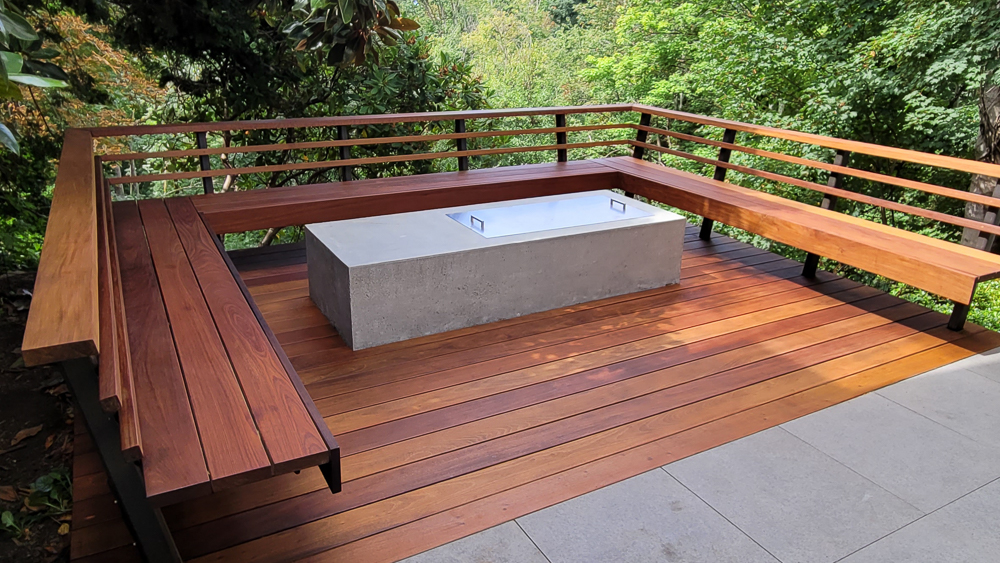
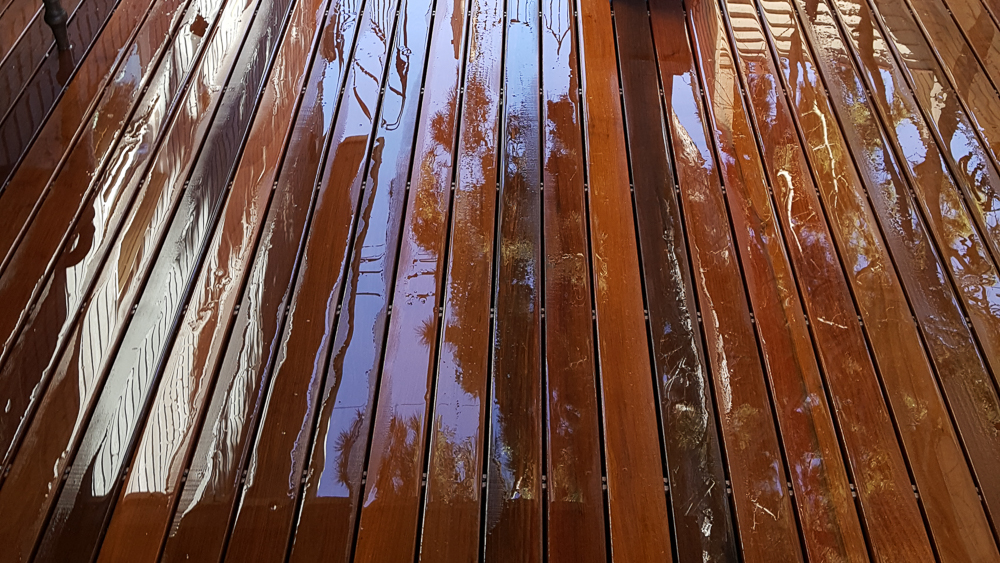
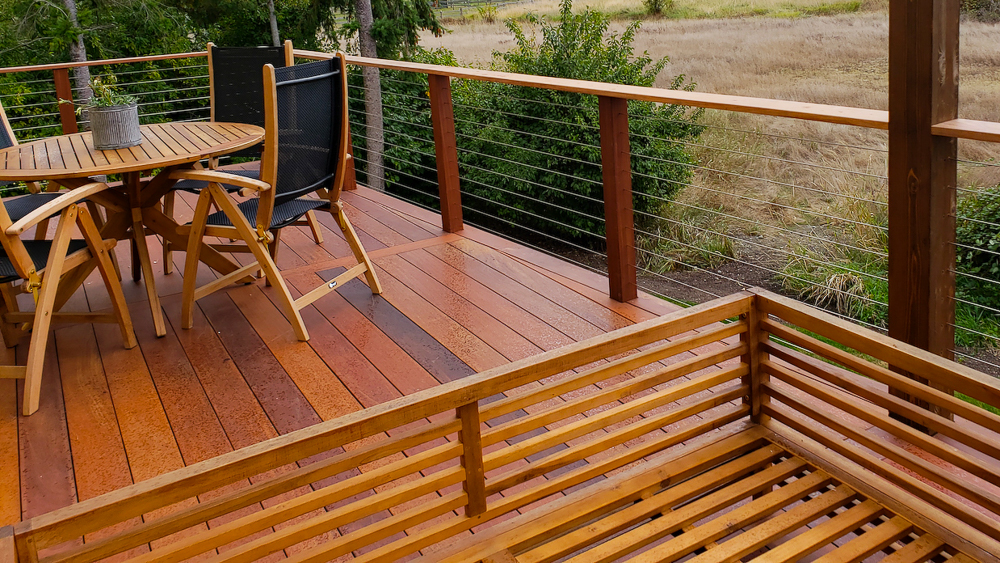
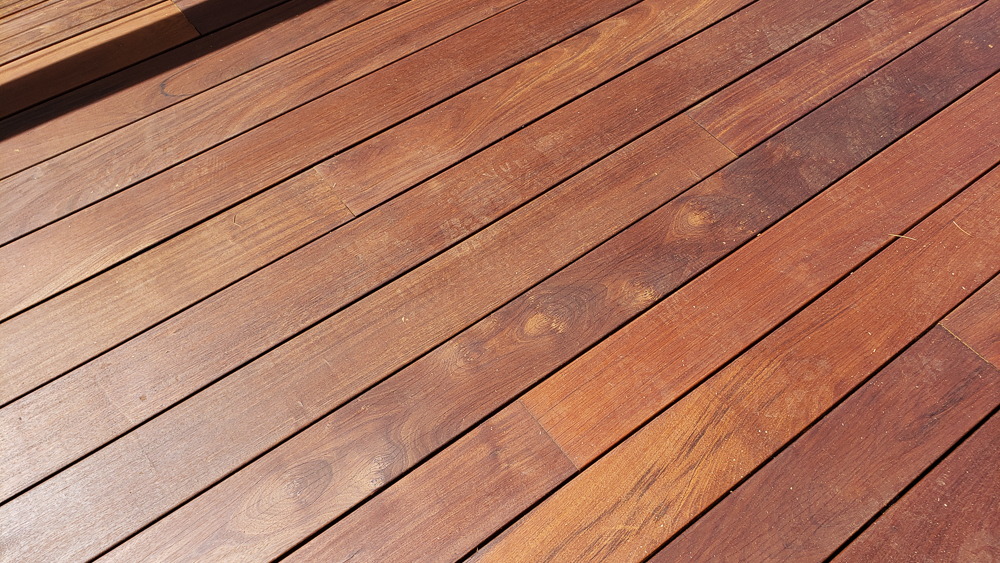
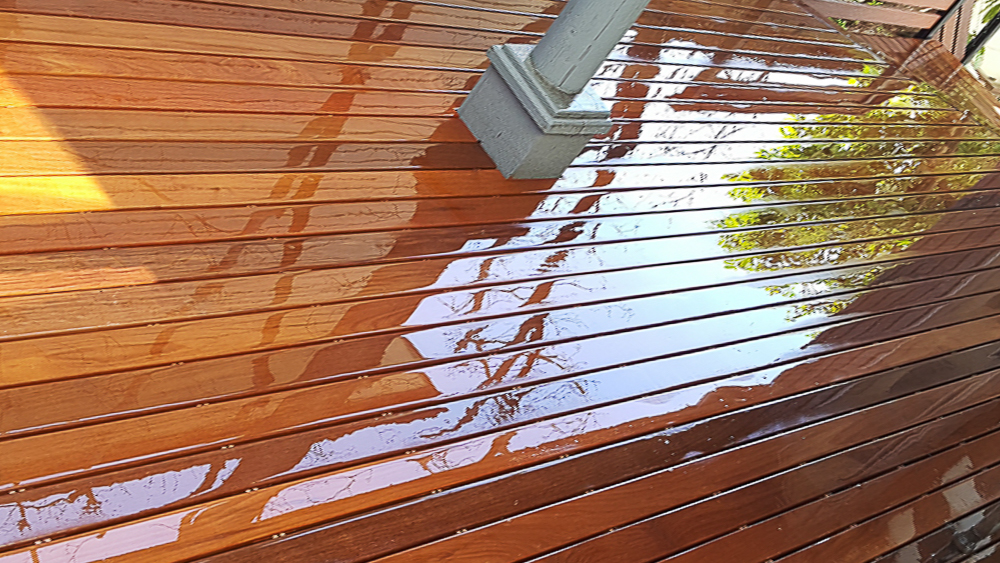
BELOW YOU WILL FIND DESCRIPTIONS OF SPECIES OF HARDWOOD COMMONLY USED IN DECK CONSTRUCTION
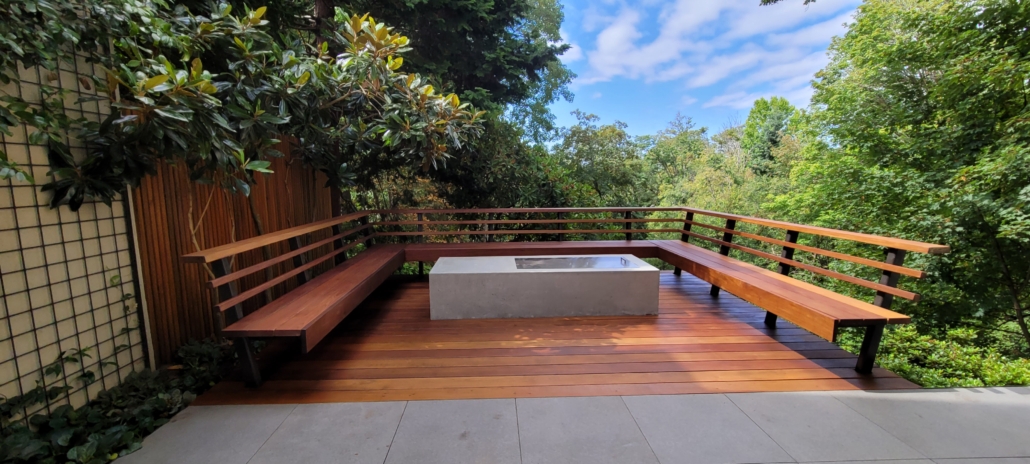
Ipe has been the gold standard for decking for decades. Unmatched durability and impeccable knot-free grain structure have made it the first choice of builders and homeowners. Ipe has a lustrous, almost iridescent, chocolate brown to golden brown coloration and a very fine and tight grain. Its hardness is second only to massaranduba but, it is the most stable of all the hardwood species. Ipe lumber is available in all common sizes and some custom profiles for handrail. Seattle Deck Supply sources from reputable importers that have tight chains of custody. Your lumber will be reliably kiln-dried and of the highest First Export Quality or FEQ grade. Ipe prices have seen a steady increase since 2024, some buyers have turned to alternatives like garapa, discussed below, to mitigate cost. Ipe remains the best option though.
Stock update October 2026 Seattle Deck Supply currently has excellent stock of ipe decking and lumber. ipe 1×6, 5/4×6, 1×4, and 5/4×4 are availiable for immediate pickup and delivery.
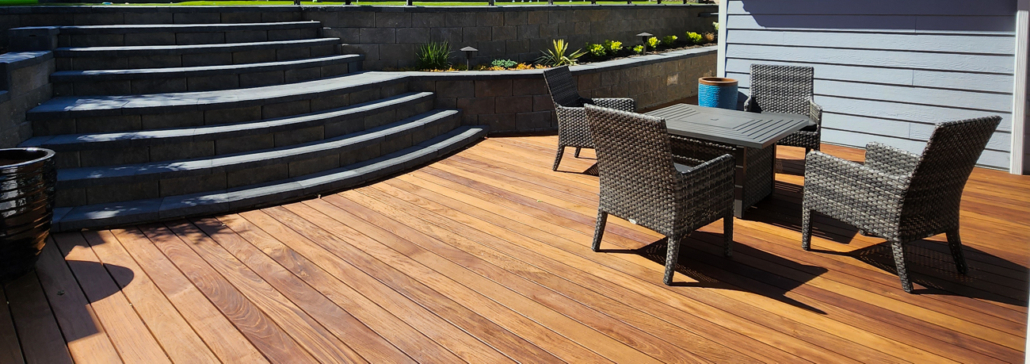
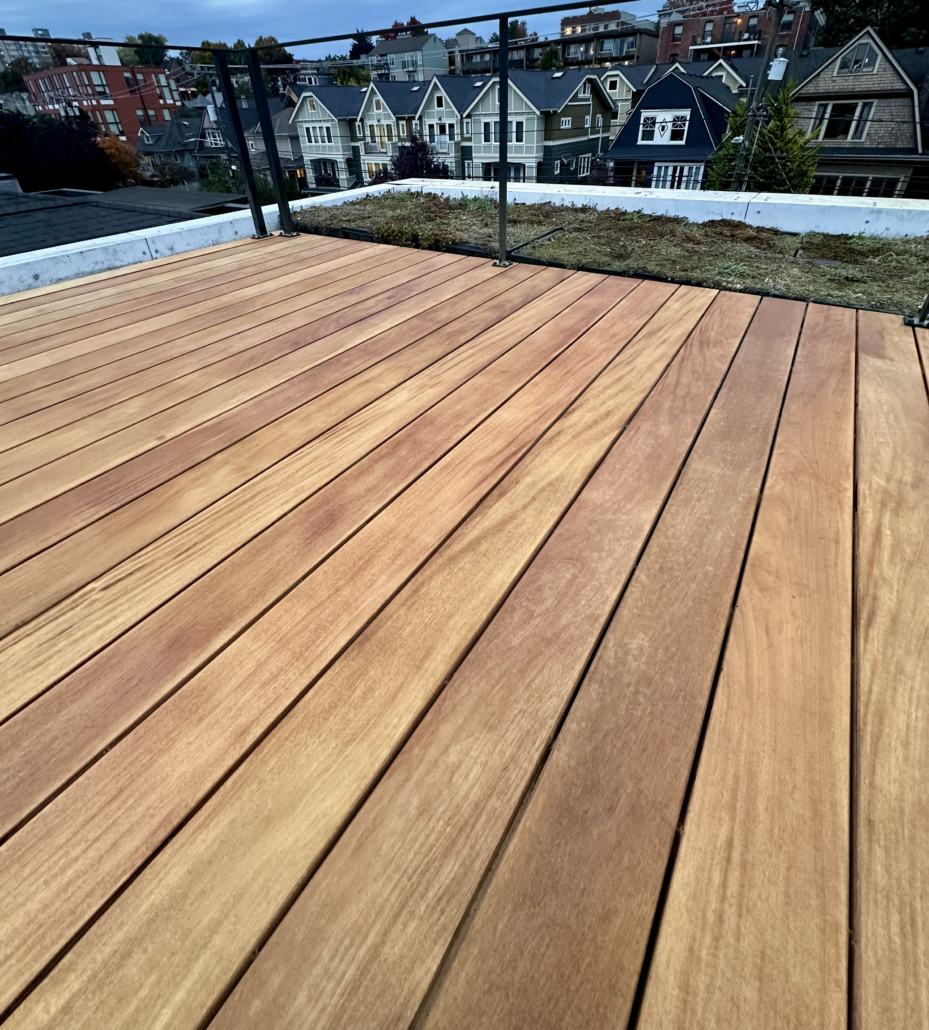
Nearly as hard as ipe but, a golden brown rather than a rich chocolate tone, garapa is the hot decking for 2026. Garapa has been pricing out at less than half the price of ipe and less than many composite options. SDS mainly carries 5/4×6 (net 1″ thick) but sometimes has 1×4 and 1×6 available.
Stock Update October 2026: Seattle Deck Supply has excellent stock of garapa decking for immediate shipping or pickup.
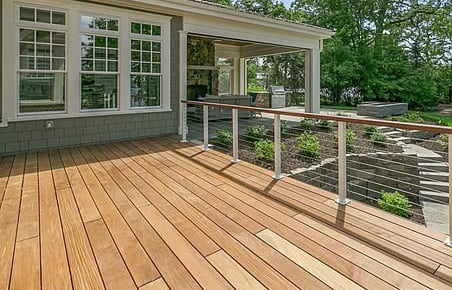
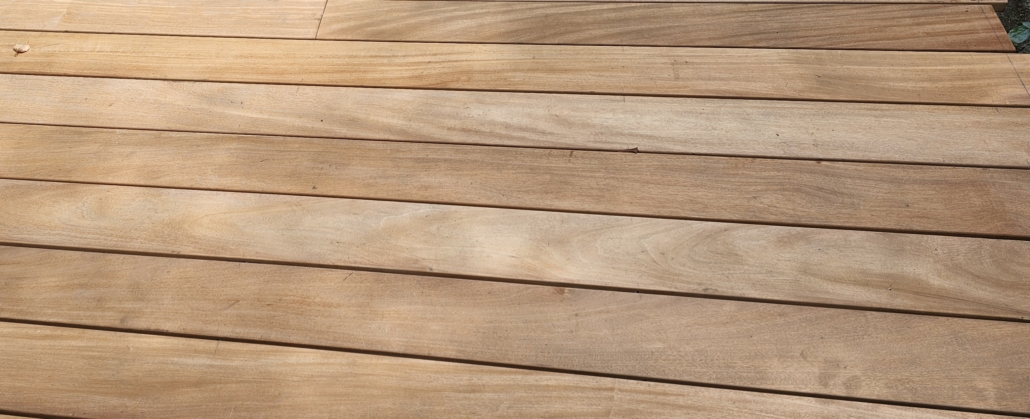
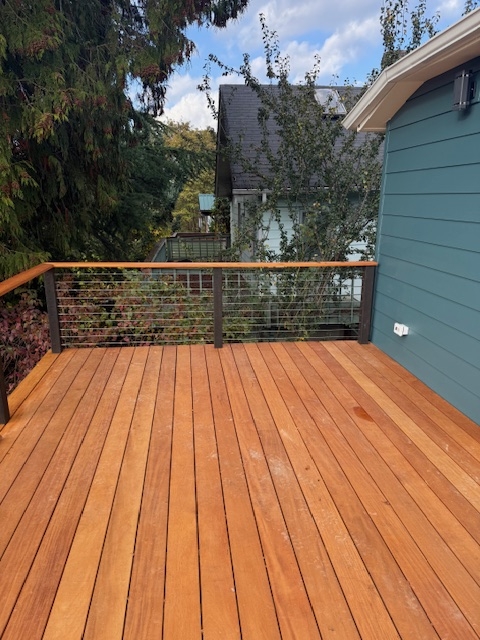
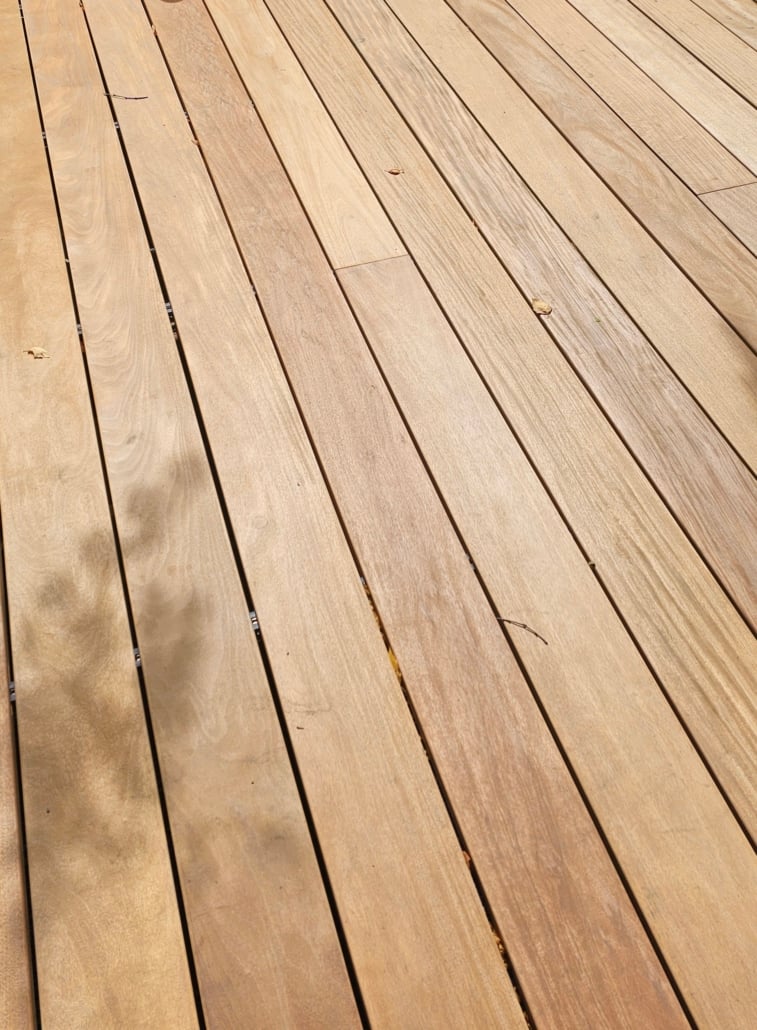
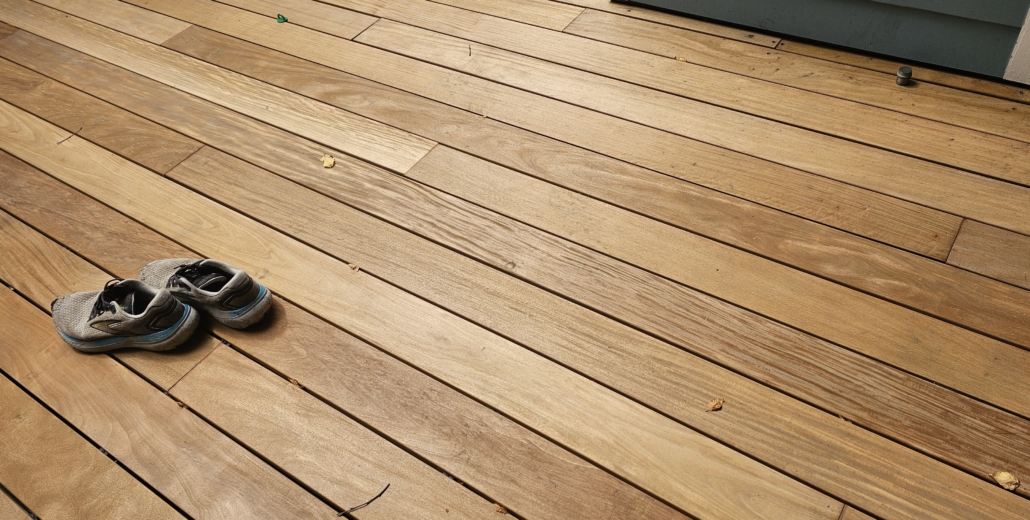
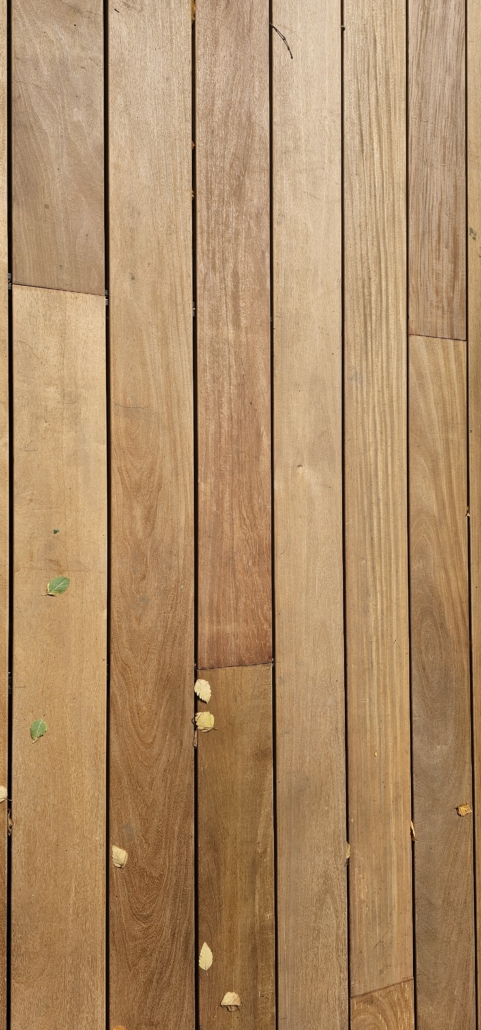
Tigerwood is a tropical hardwood from Brazil and Bolivia, although its range extends to Peru and North to Mexico. Its gorgeous and pronounced grain and color variation give it its name. Tigerwood is durable and stable, particularly when sourced through our suppliers, who have a proprietary kiln-drying strategy. Tigerwood decking is available square edge or grooved for hidden fasteners and in 4 and 6 inch widths. We recommend wax-treating all cross-grain cuts but staining is optional. Tigerwood is a sustainable forest product and not listed on CITES. All of our hardwoods come from reputable importers who comply with all environmental regulations and many of these are FSC listed.
Stock Update October 2026: Seattle Deck Supply has easy next-day access to Tigerwood in all sizes. Tigerwood decking is available in both grooved for hidden fasteners and square edge. Tigerwood fascia is also available in 1×8.
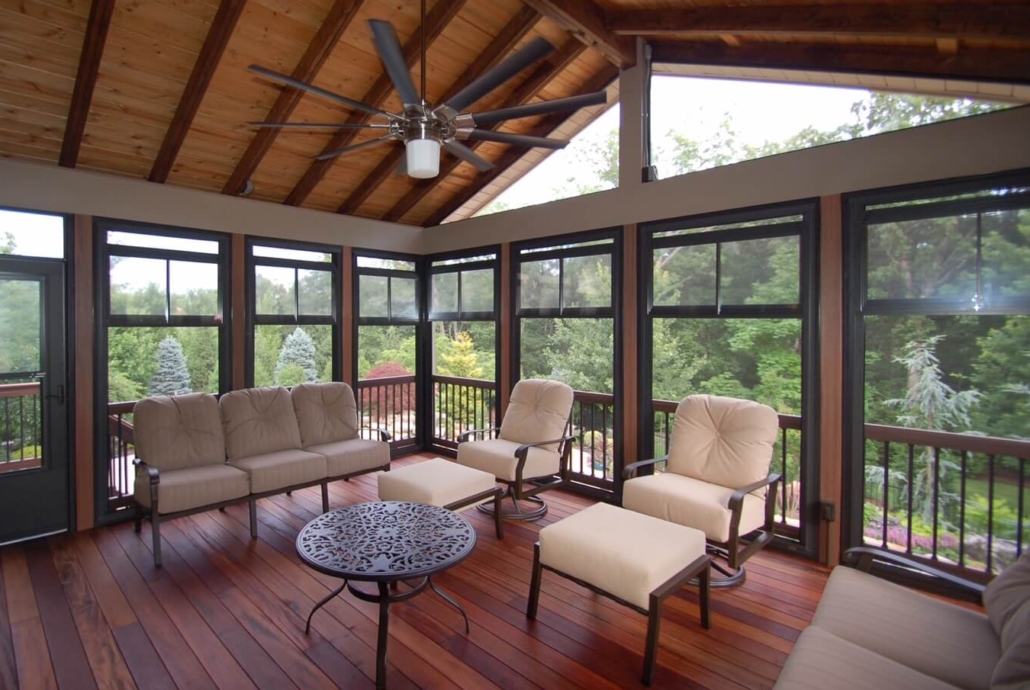
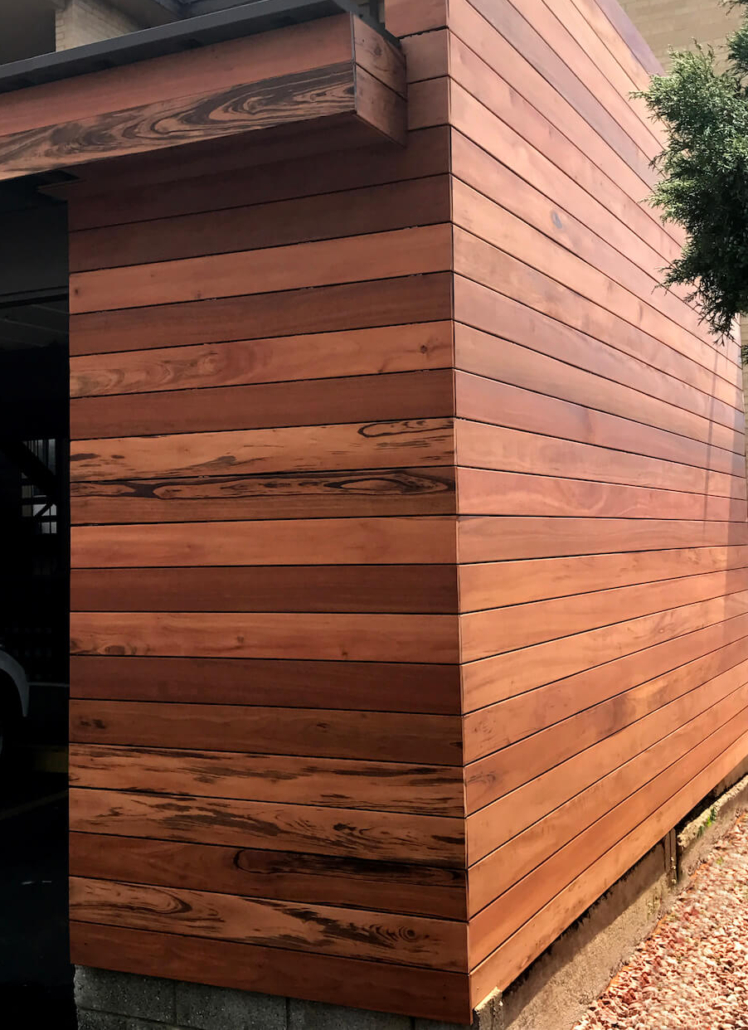
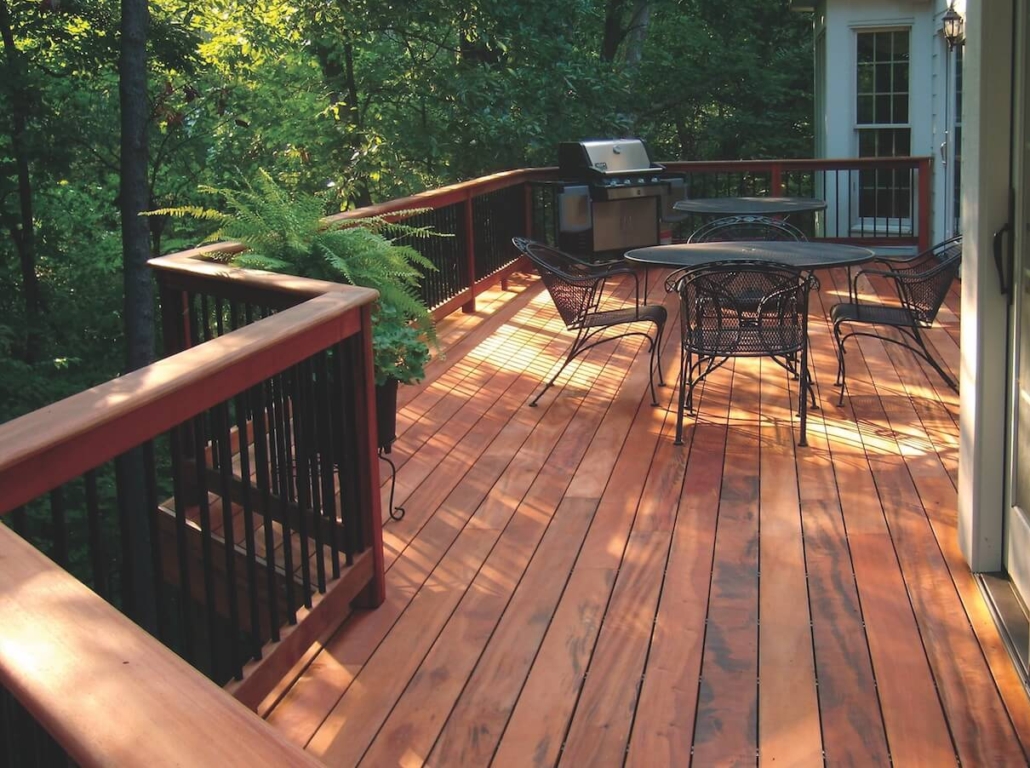
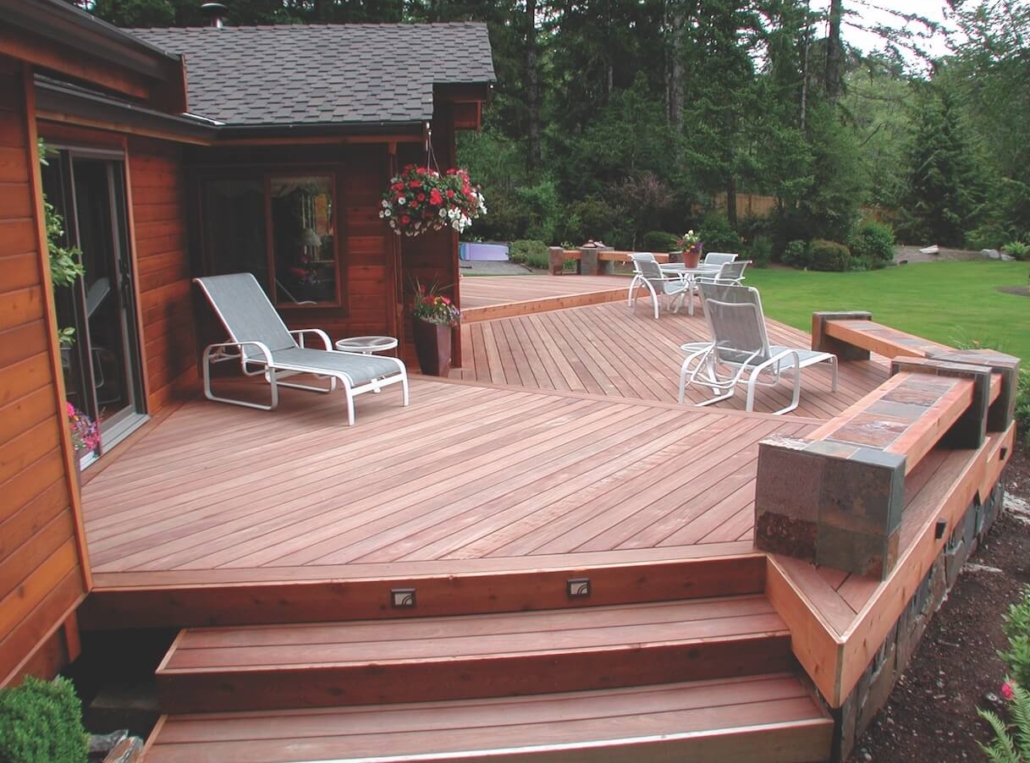
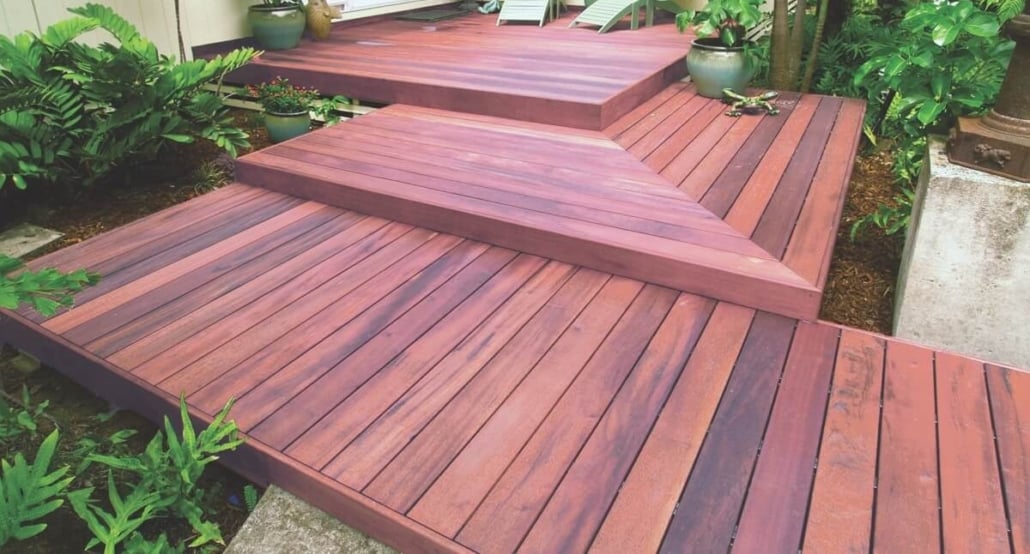
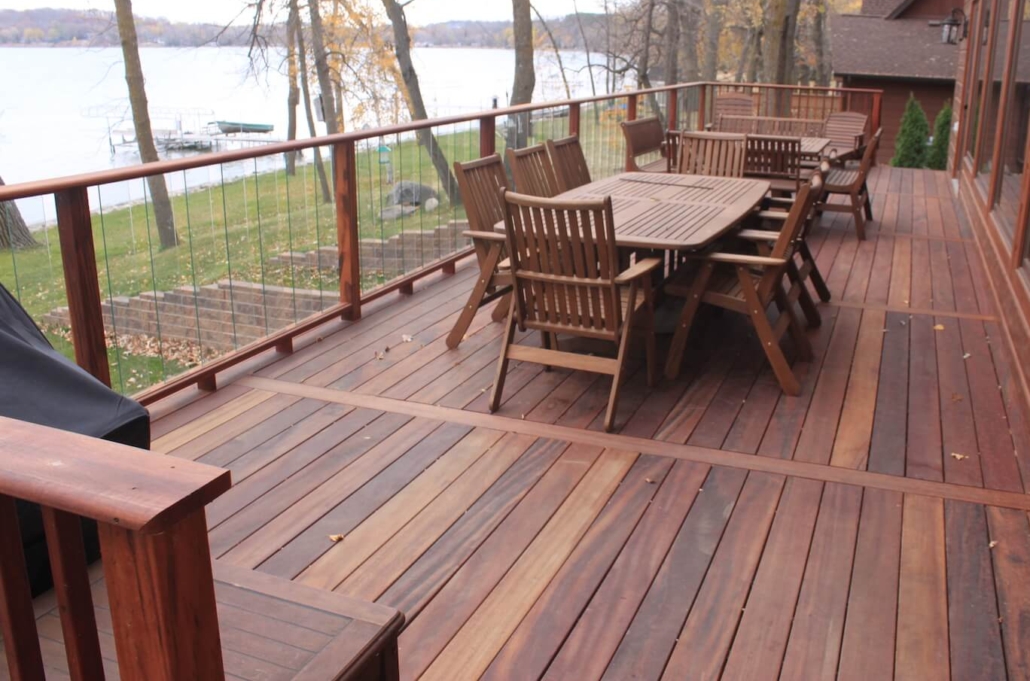
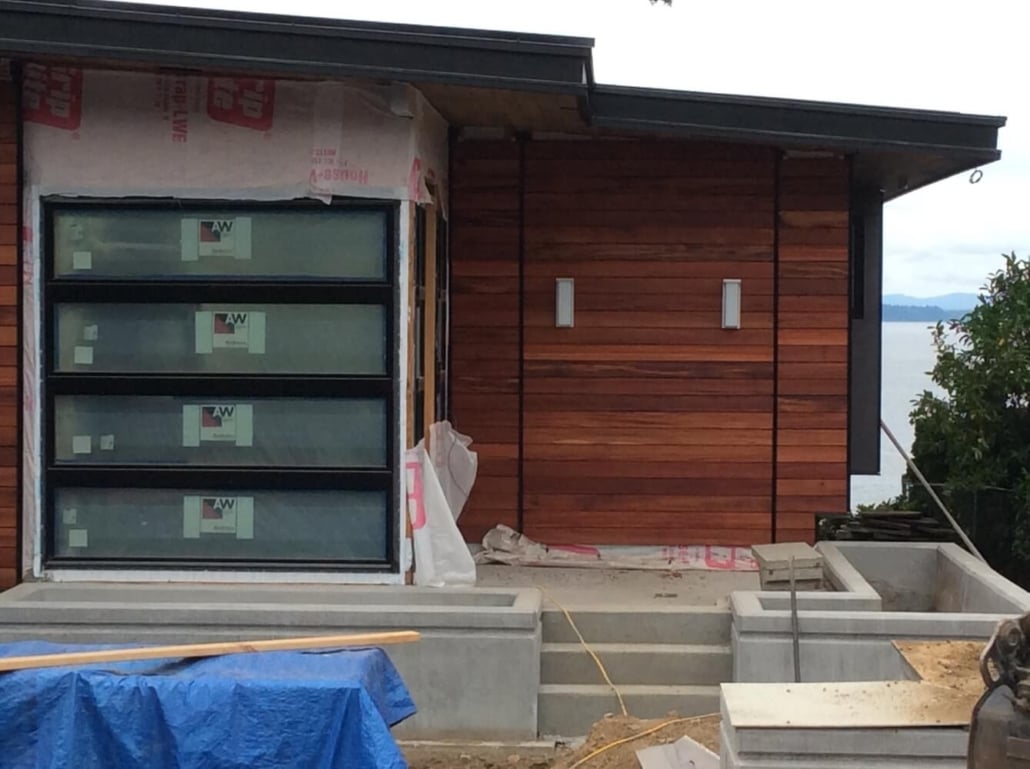
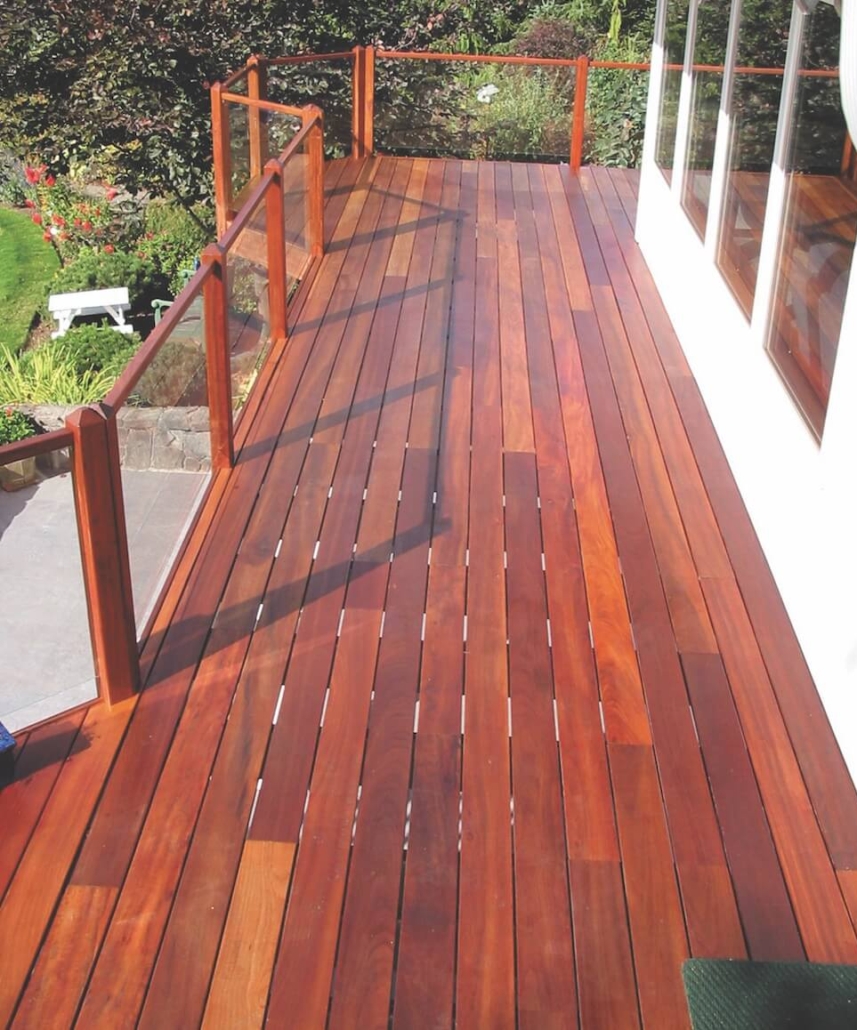
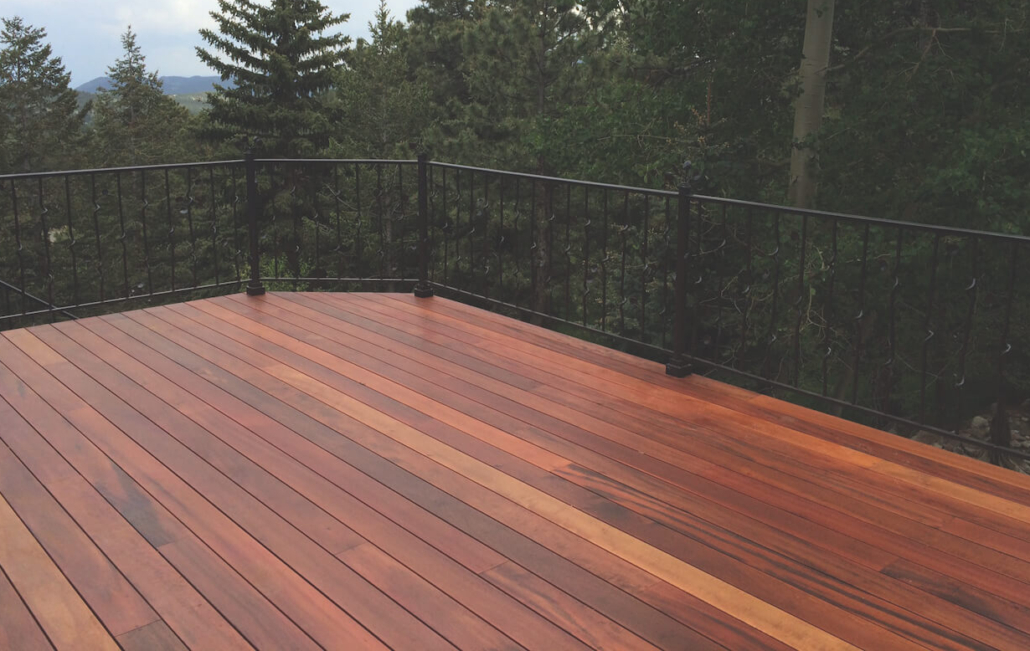
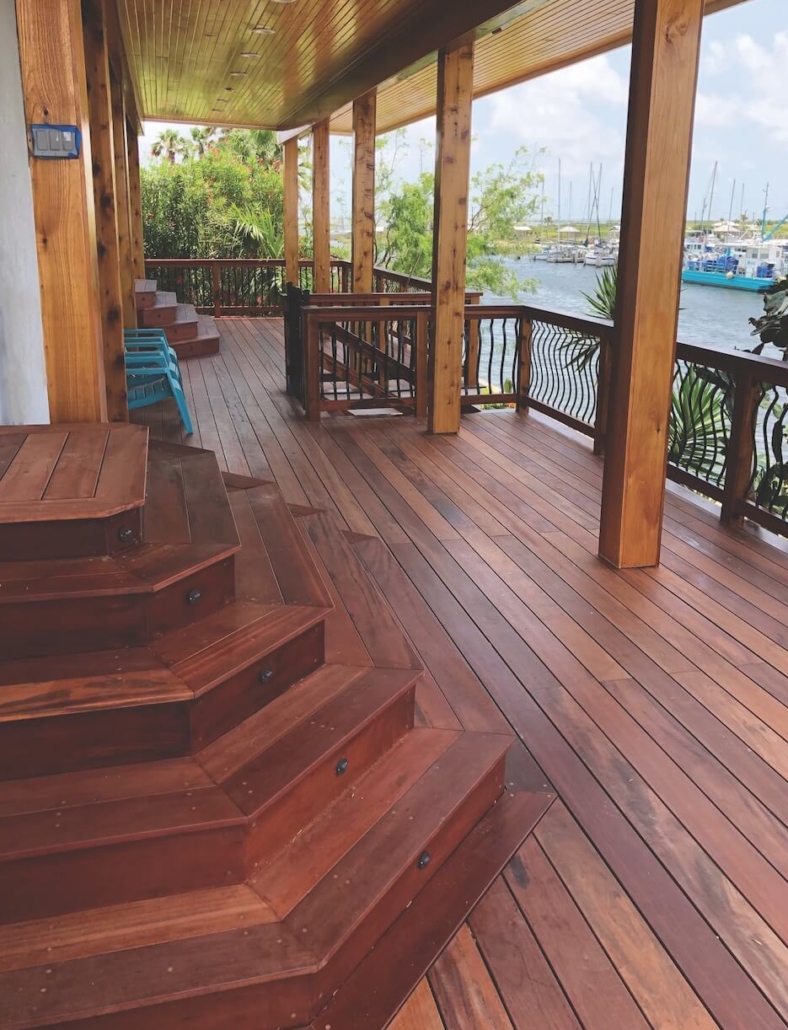
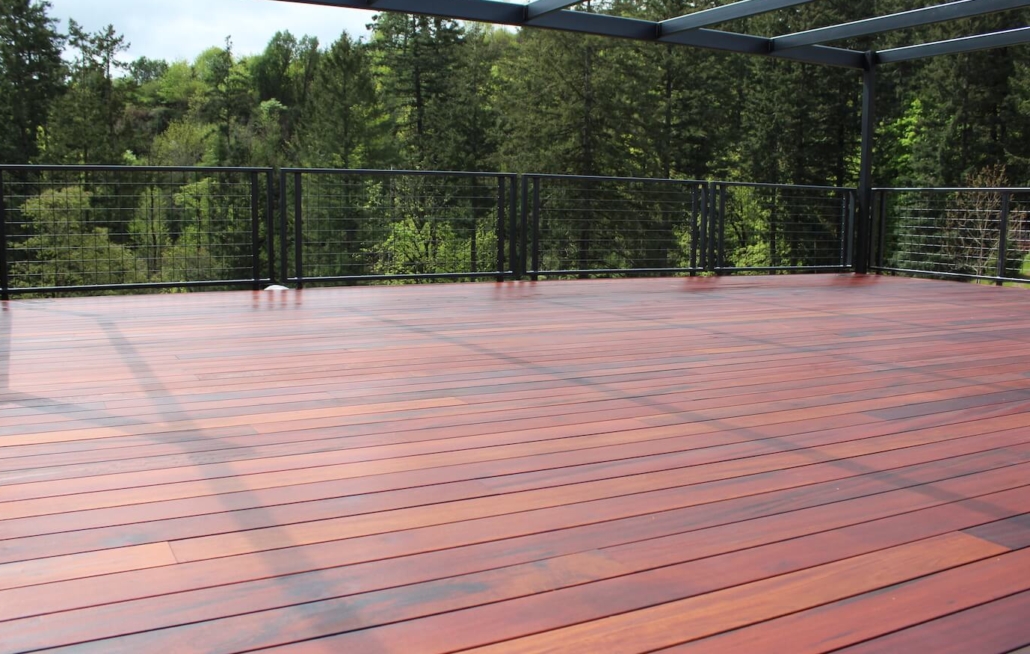
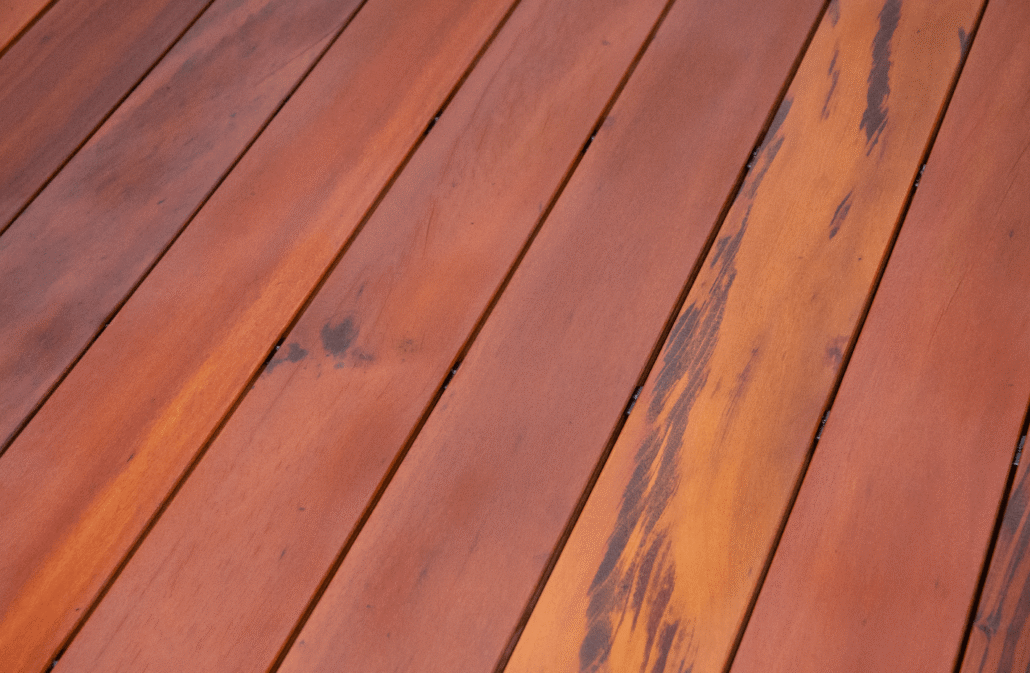
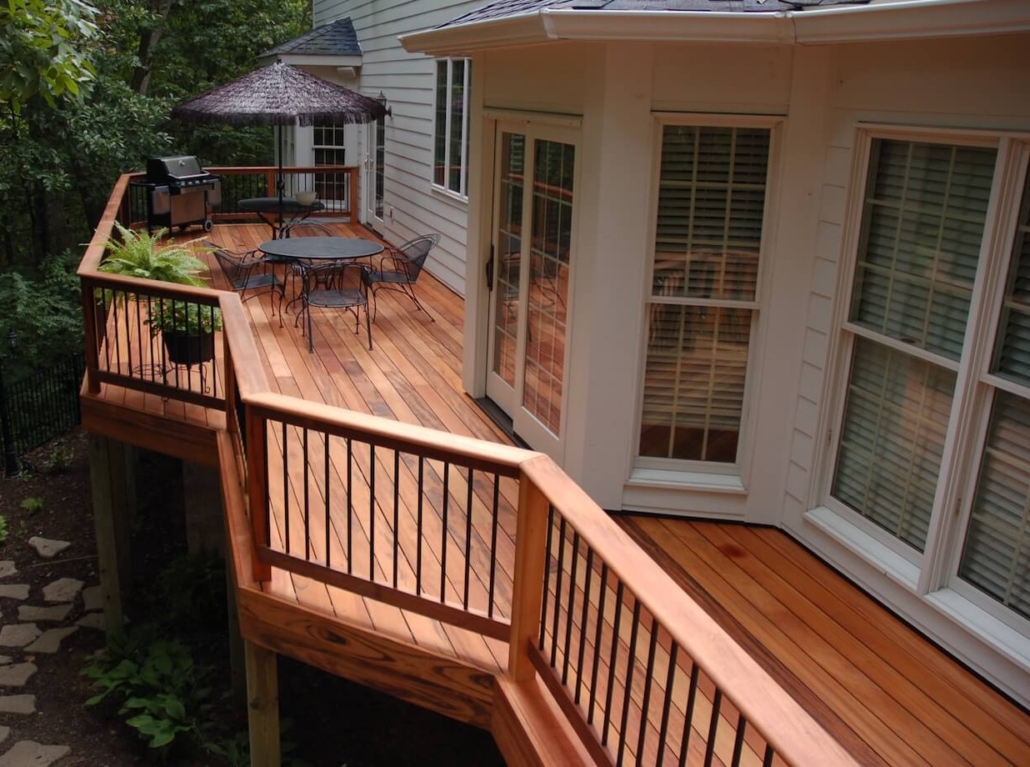
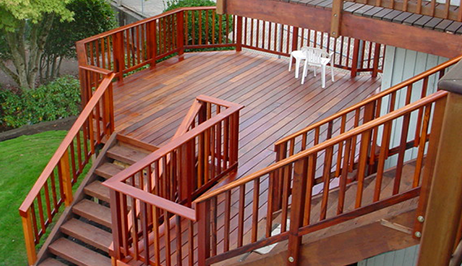
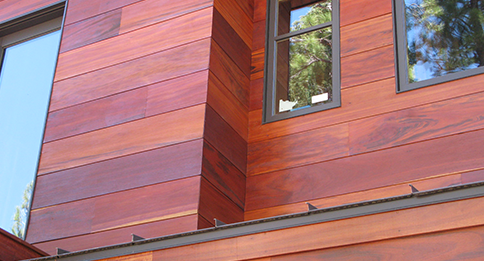
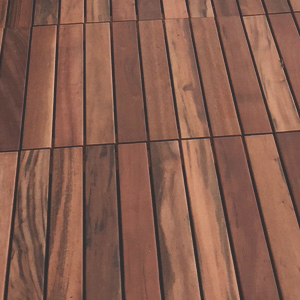
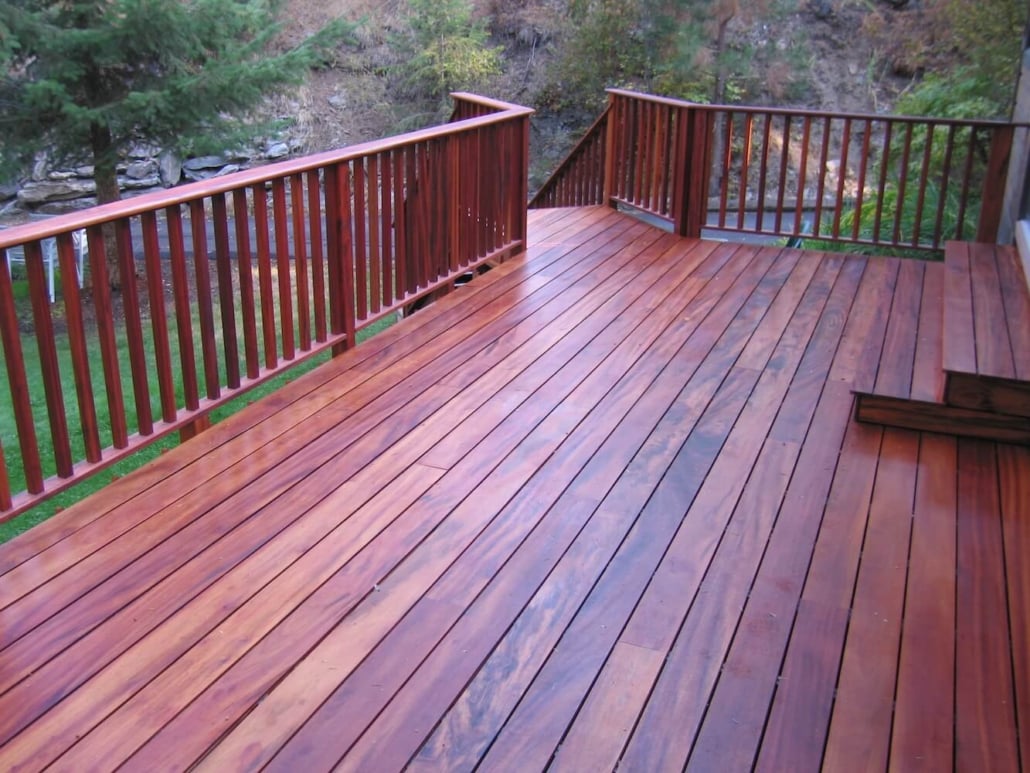
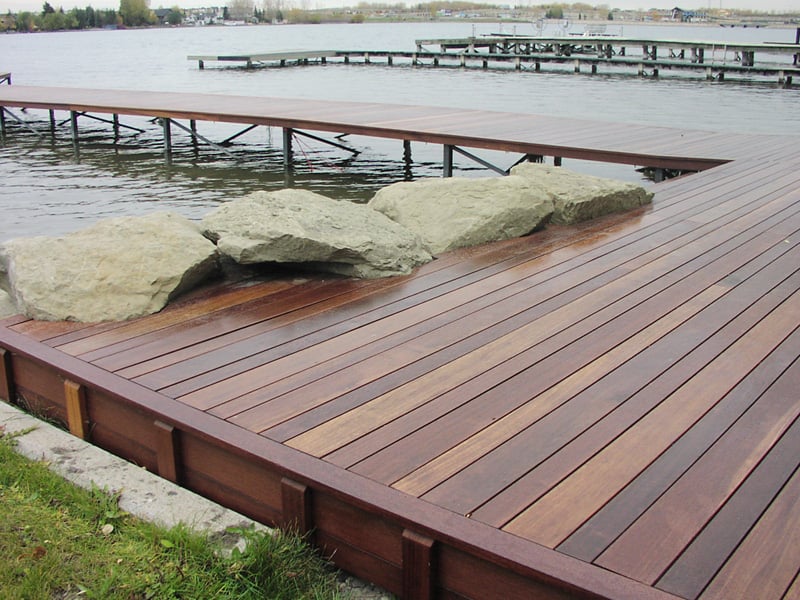
Batu is a common hardwood decking from Indonesia. Batu is relatively hard and stable with a very straight and striated grain. Primarily red and pink-toned with some tan and brown undertones. It cuts easily and is very workable. Batu is available in 5/4×6, 1×6, 5/4×4, 1×4 and 1×8. Post material in a 4×4 is often available as well. Batu supply chains are typically stable, and prices are not subject to wild fluctuations as sometimes happens with ipe.
Seattle DecK Supply sources the highest grade Batu available. Our Batu is primarily quarter-sawn.pure heartwood, has excellent color and grain structure, and is carefully kiln-dried. You won’t find better Batu anywhere.
Stock update October 2026: Seattle Deck Supply has excellent stock of Batu Red Balau decking, lumber and T&G in stock and ready for piclup today or delivery.
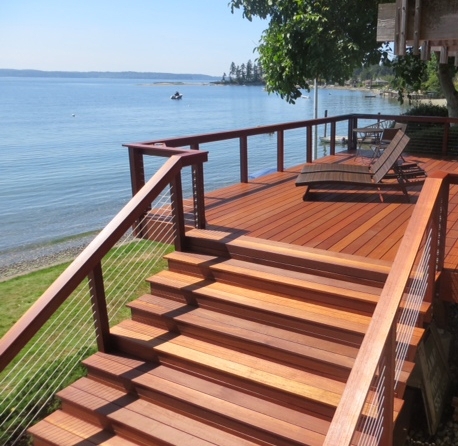
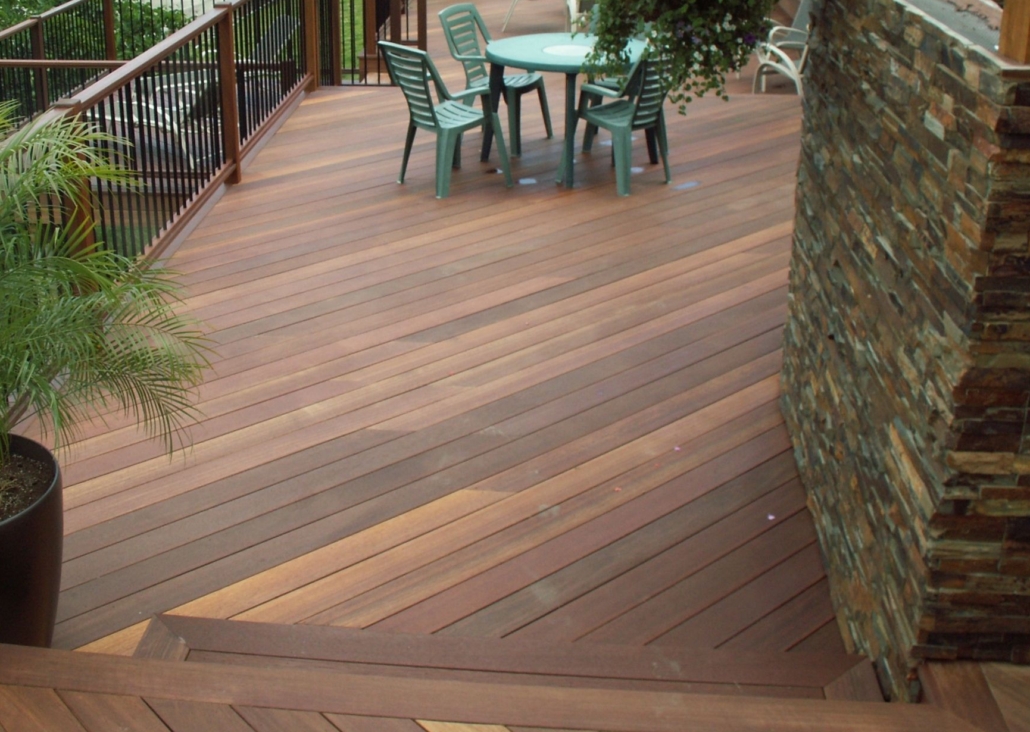
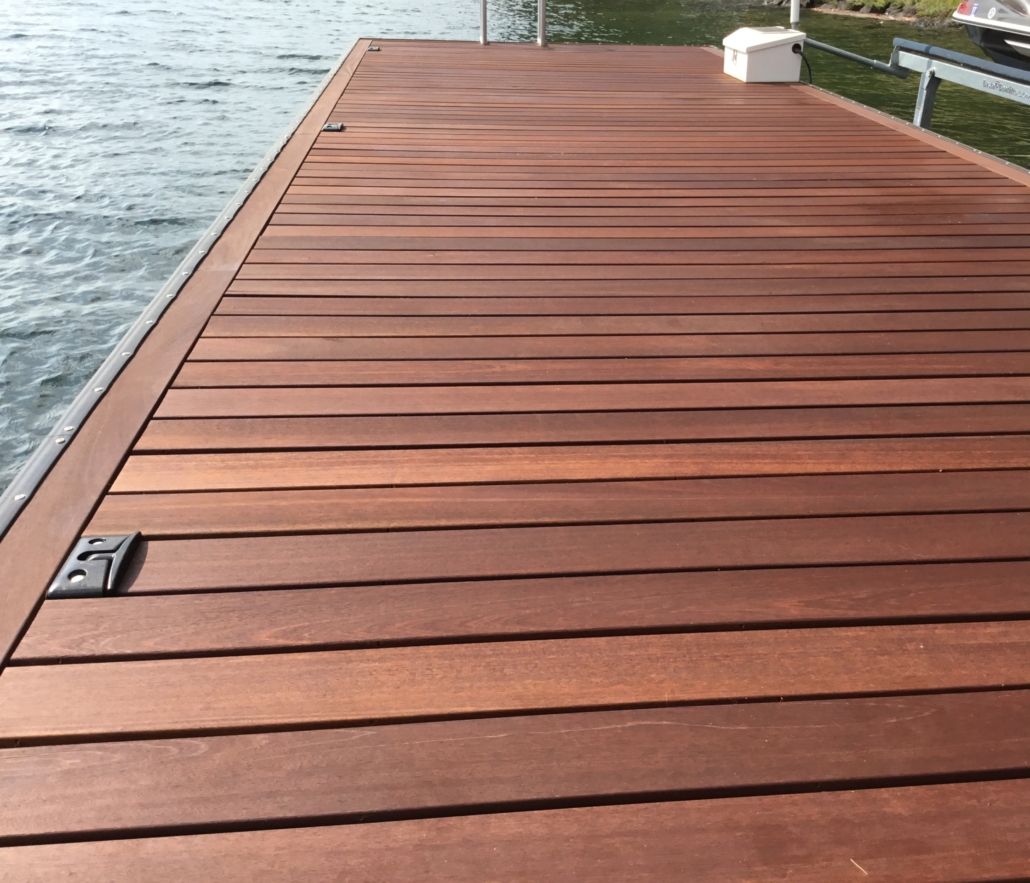
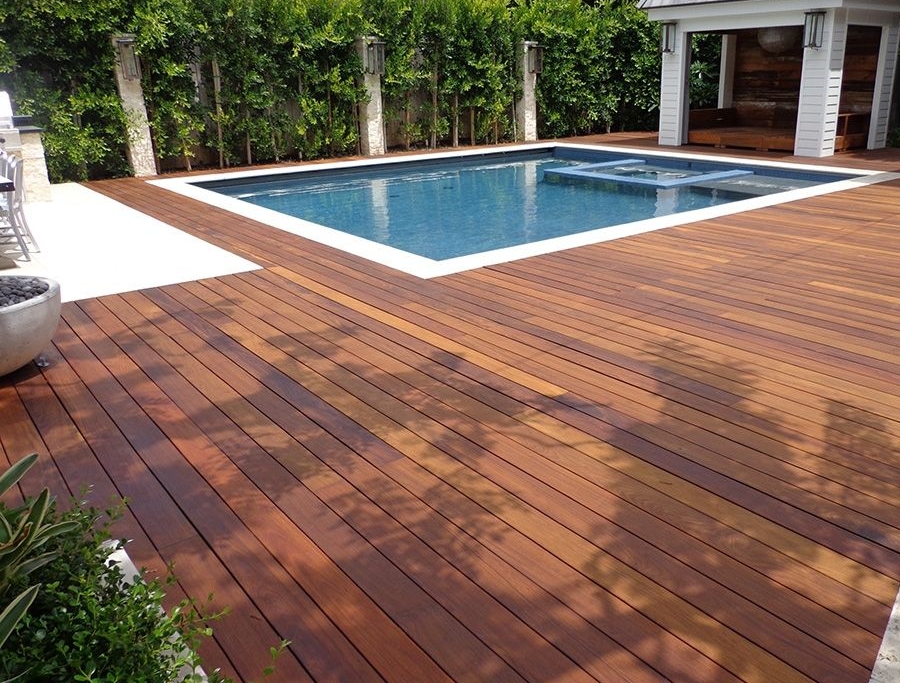
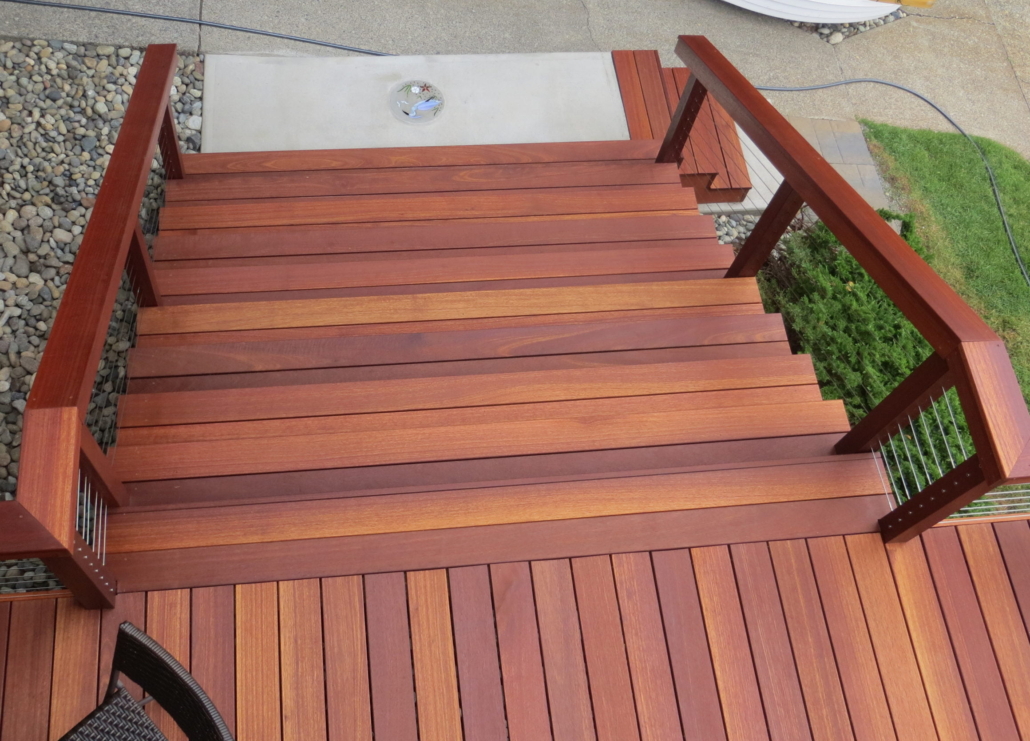
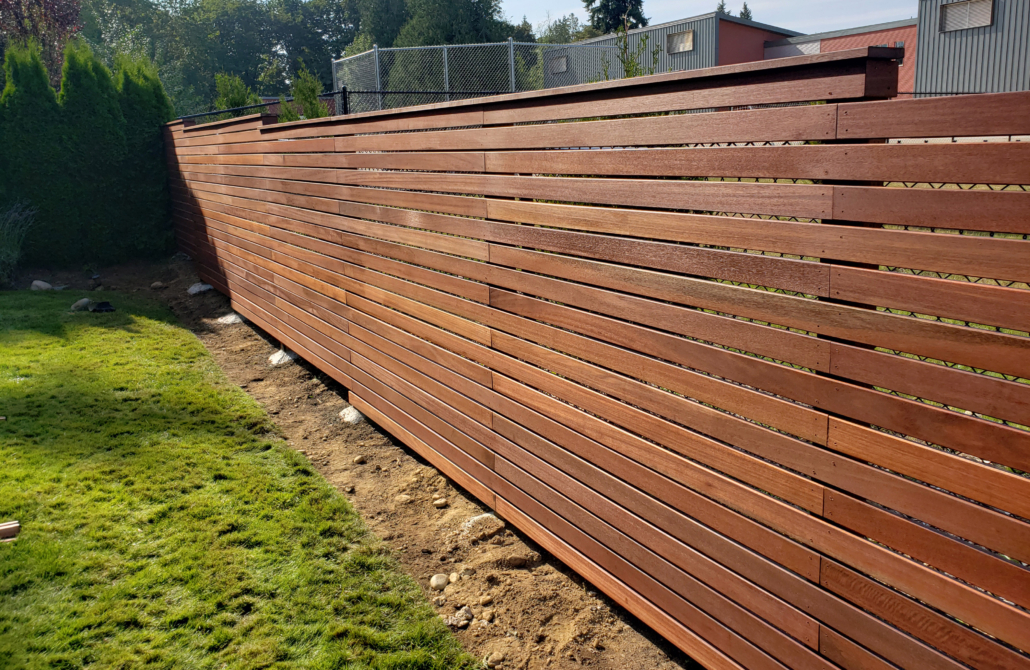
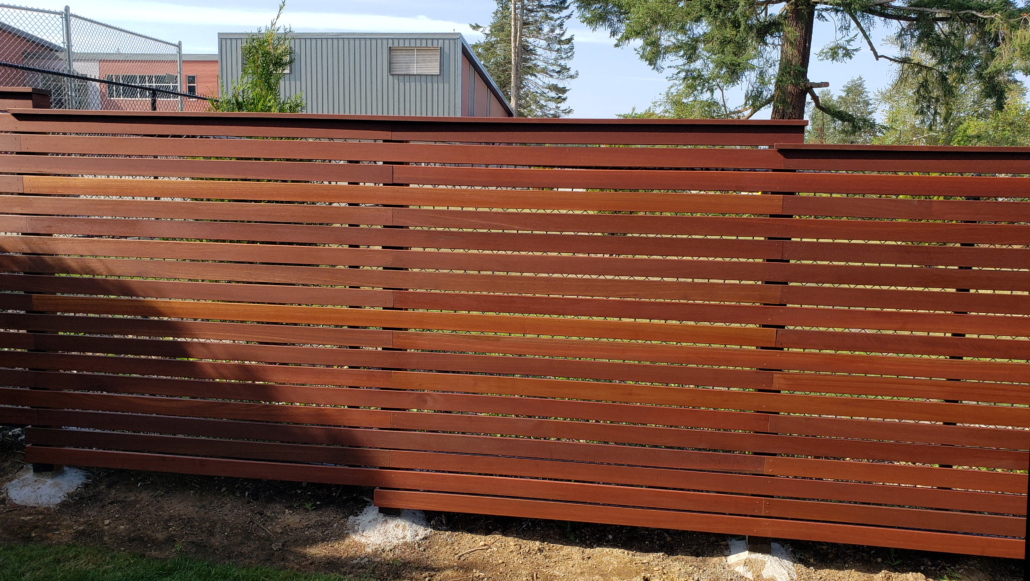
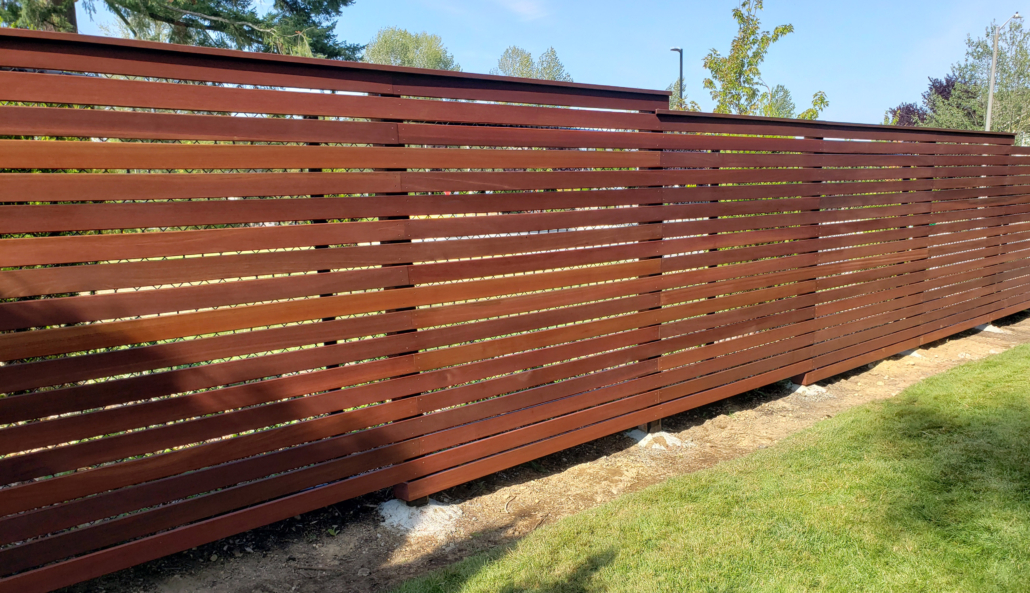

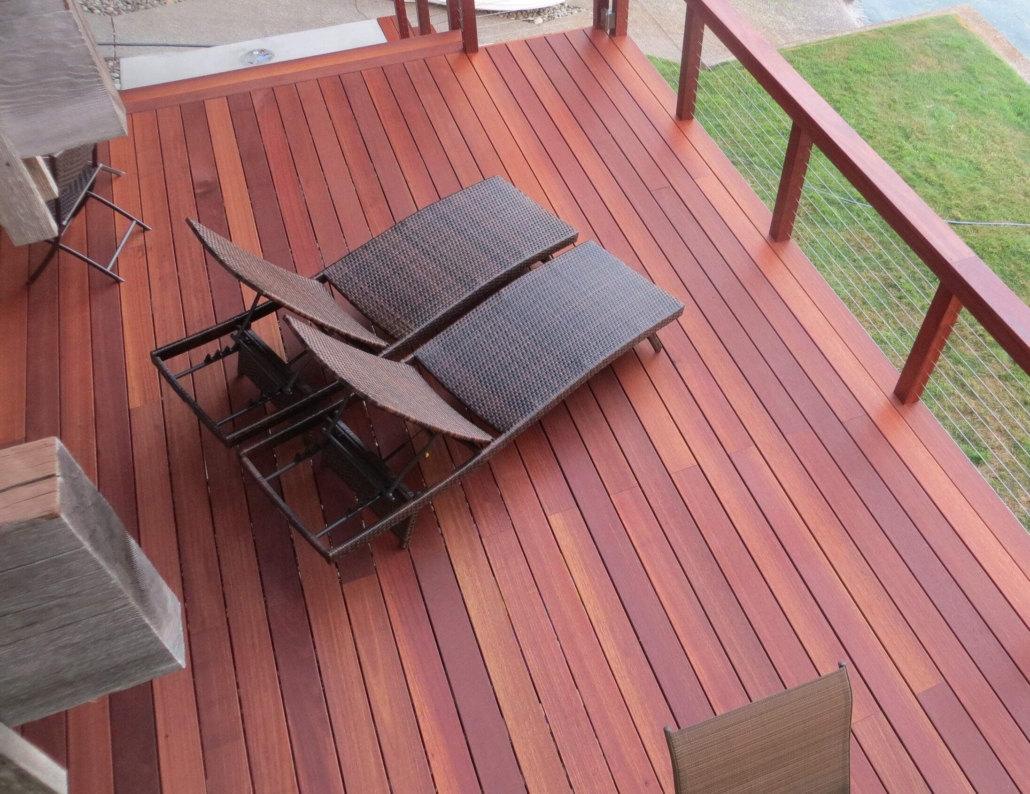
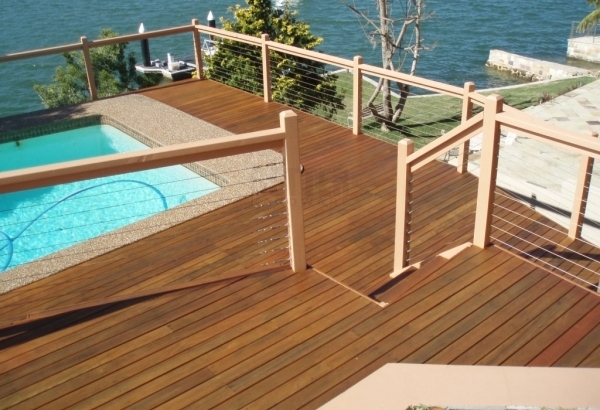
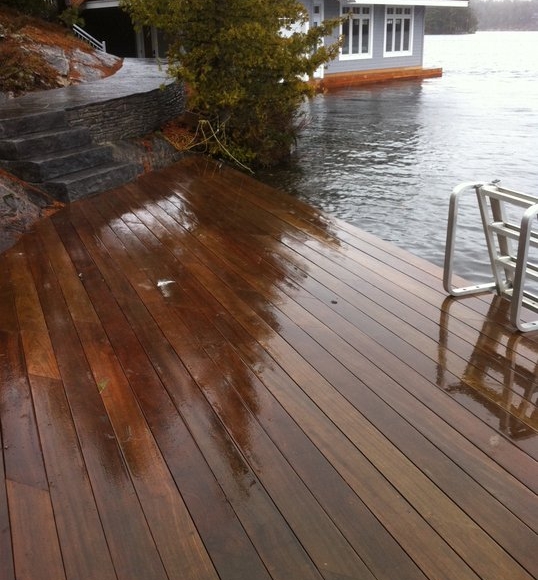
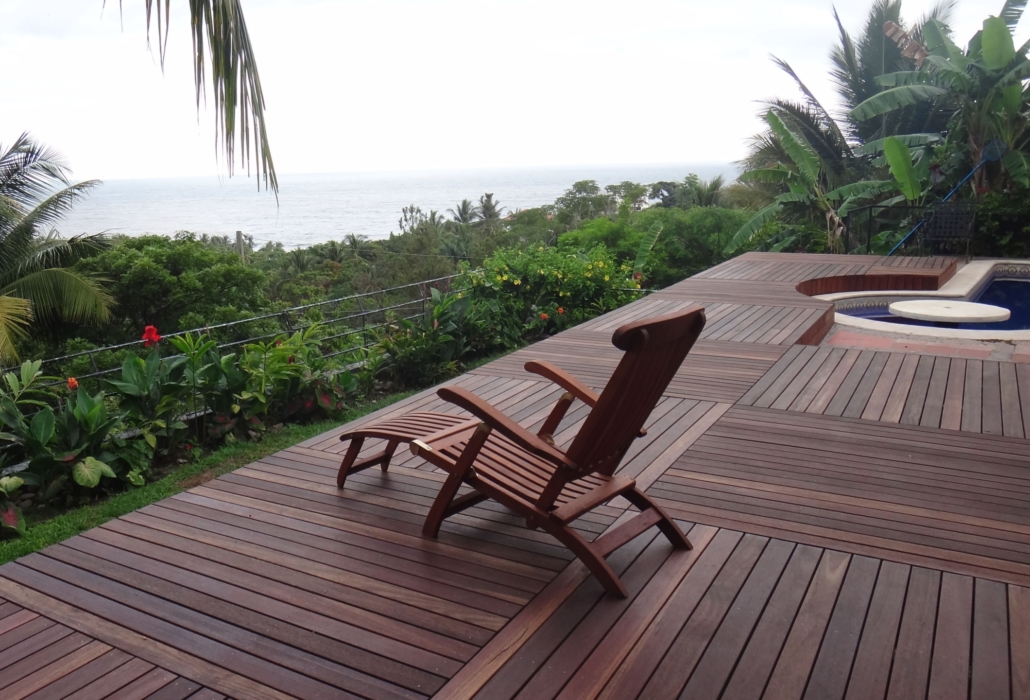
A durable and beautiful hardwood option, Bankirai is often used for decking, siding, and custom fencing. Warm tones of yellow, red, and light browns with a tight interlocked grain make yellow balau a great choice for outdoor structures when deeper and darker tones are not preferred. Like batu, yellow below is an Indonesian lumber and the supply is very reliable and prices are moderate for a hardwood decking. Yellow Balua can be fastened with all of the popular face and blind-fastening techniques. Seattle Deck Supply recommends IpeClip for hidden fastening; however, the 1/4″ or KD clip is the appropriate clip size for this species. Seattle Deck Supply only sources kiln-dried Balau and batu decking.
Stock update October 2026: Seattle Deck Supply maintains good stock of Yellow Balau, Golden Balau, Bankirai at an offsite location. It takes a day to move it to the main location. Call for a quote.
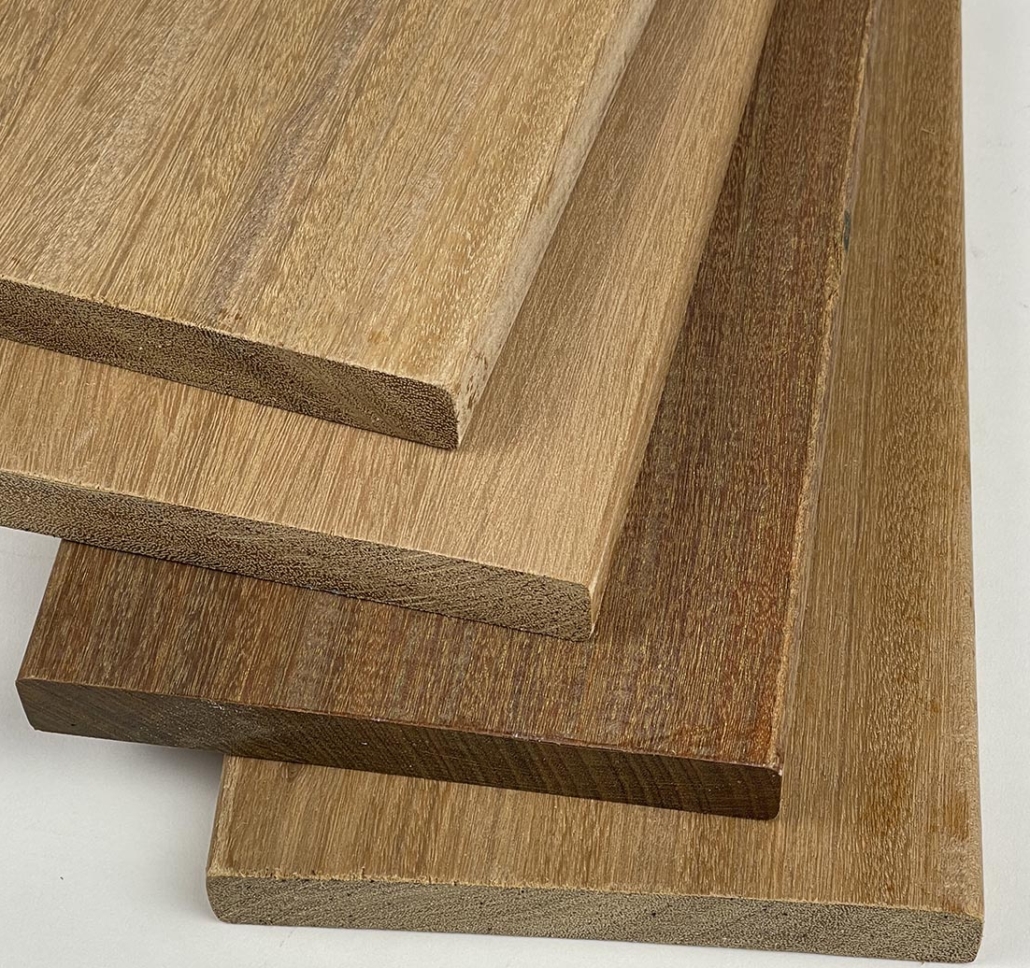
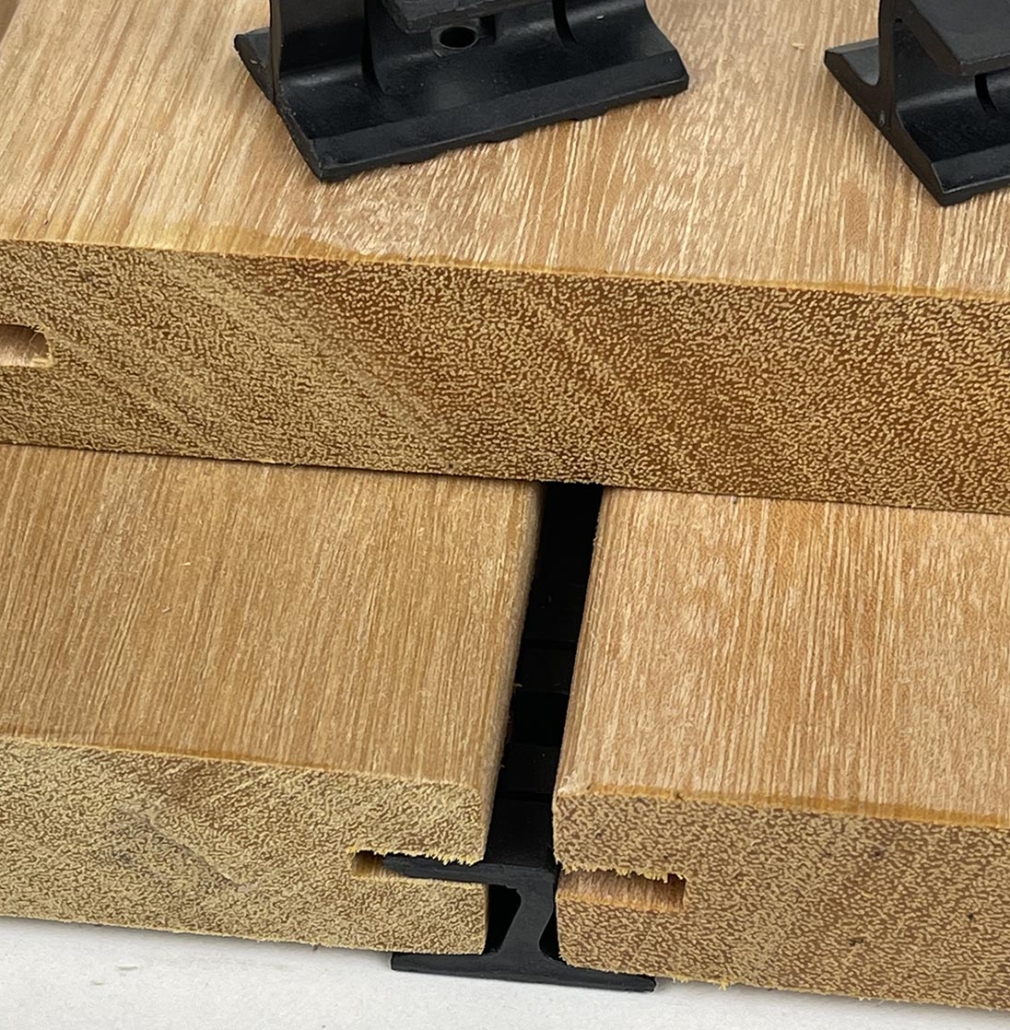
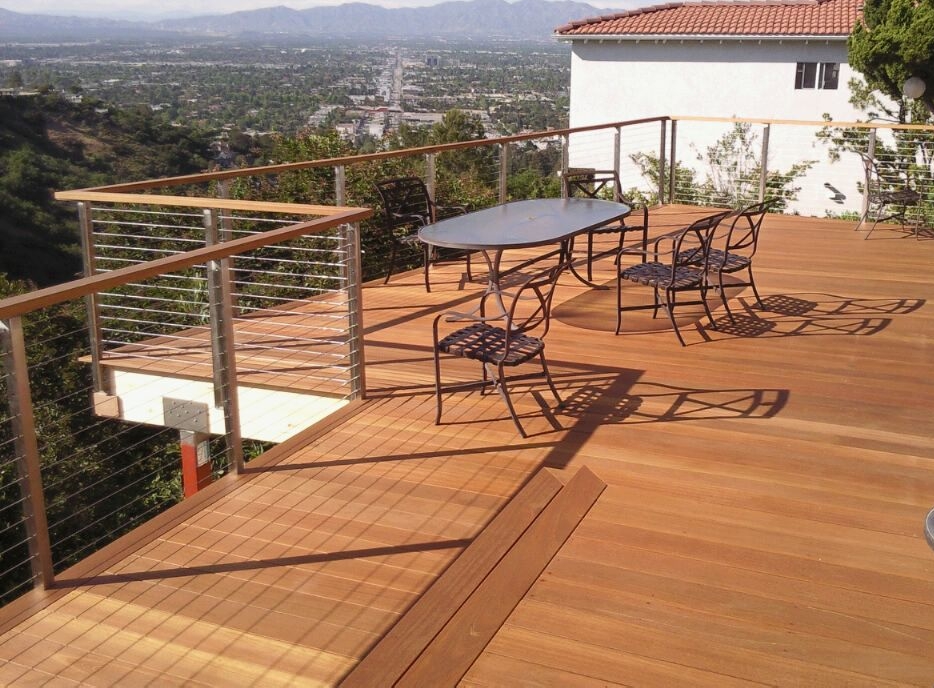
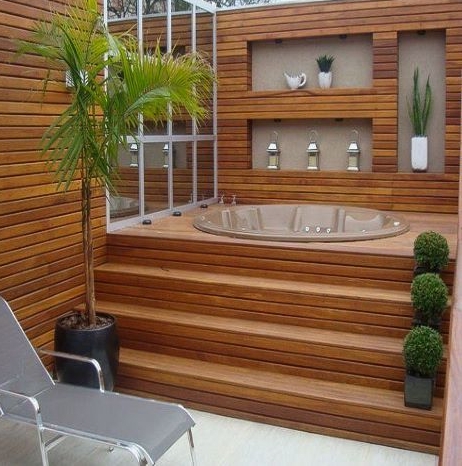
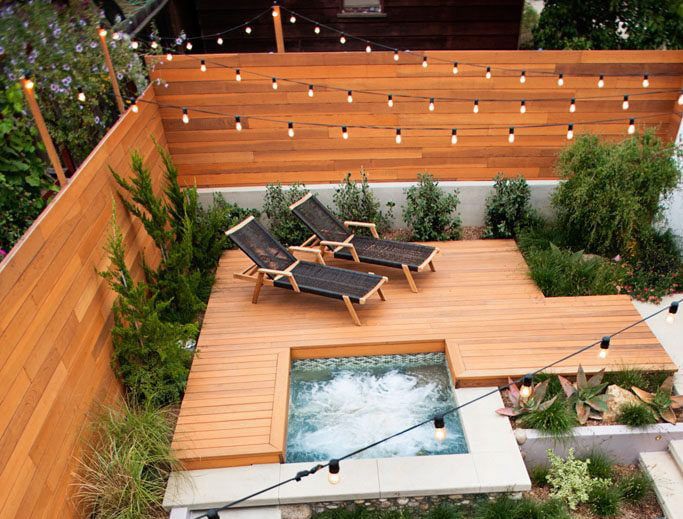
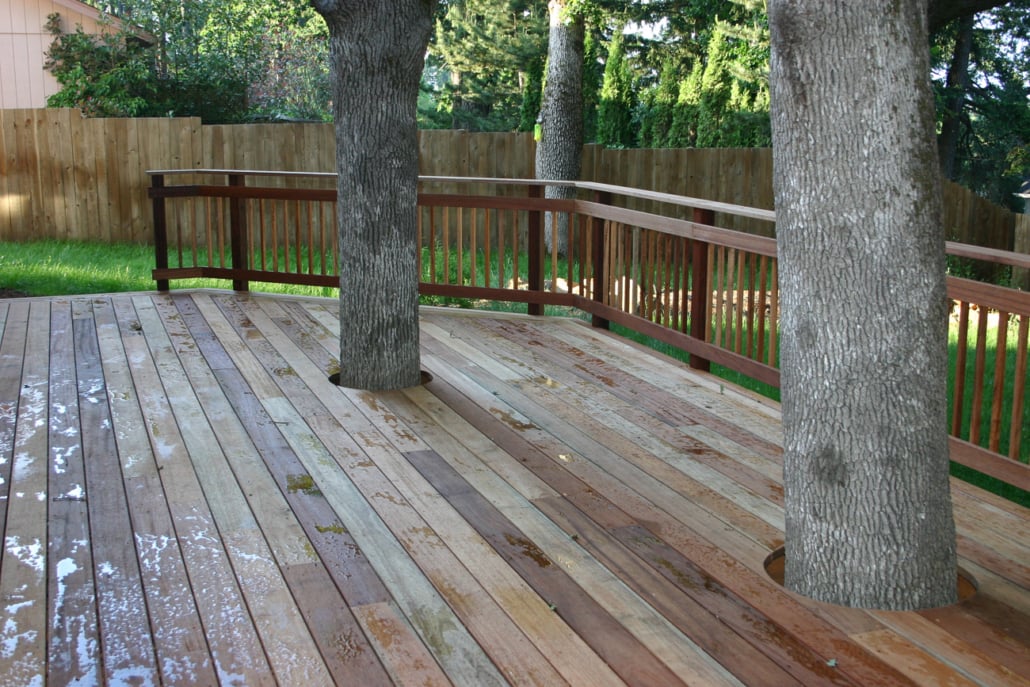
This is a mahogany species from Indonesia. It is highly workable, stable with a nice open grain and variegated coloring. It ranges from deep, dark red to blonde in tone. The Dark red pieces are quite hard like ipe, and the blonde pieces are softer. We have sold Meranti in large amounts since the mid 90’s with much success. Dark red meranti is an affordable alternative to ipe. Both 4 and 6 inch width boards are readily available in 1x and 5/4 thickness. Meranti radily accepts a stain and will hold it longer than most other hardwoods.
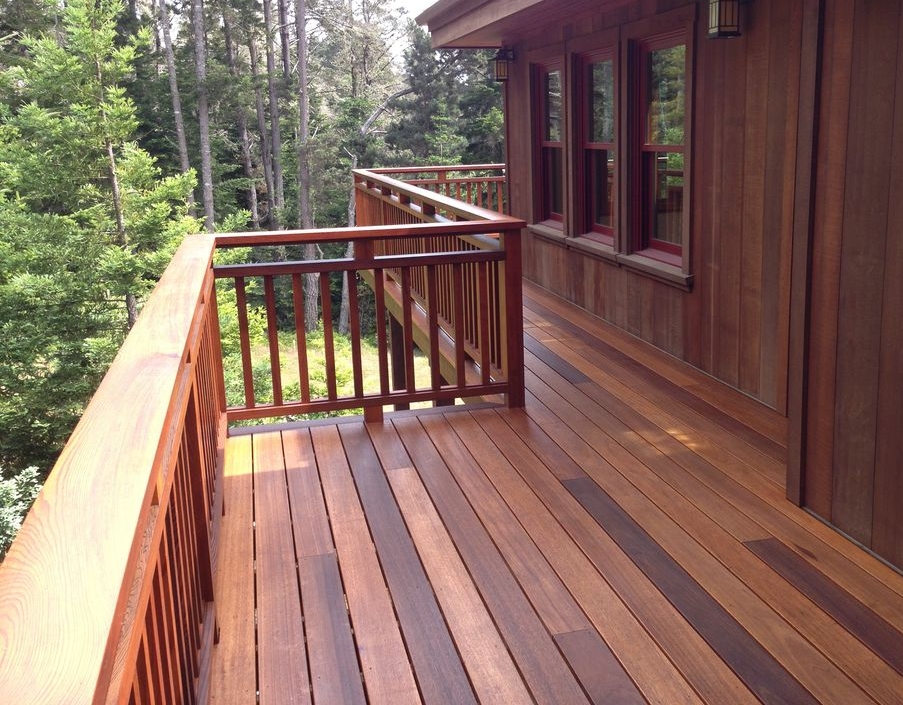
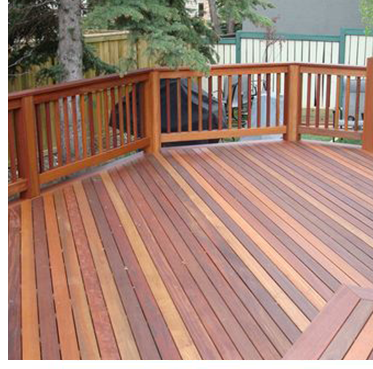
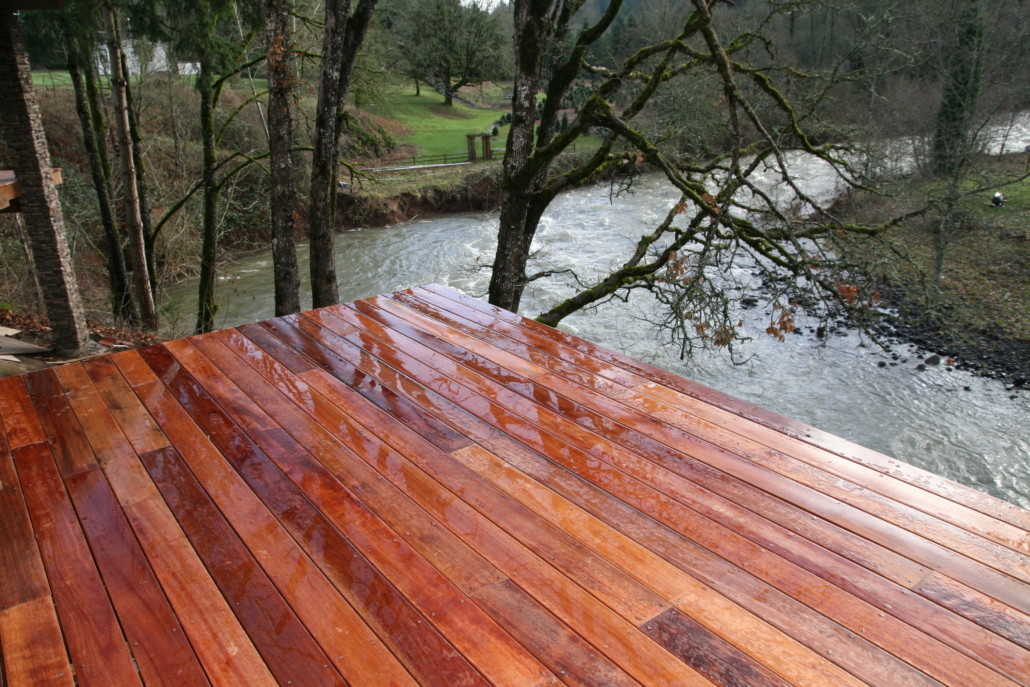
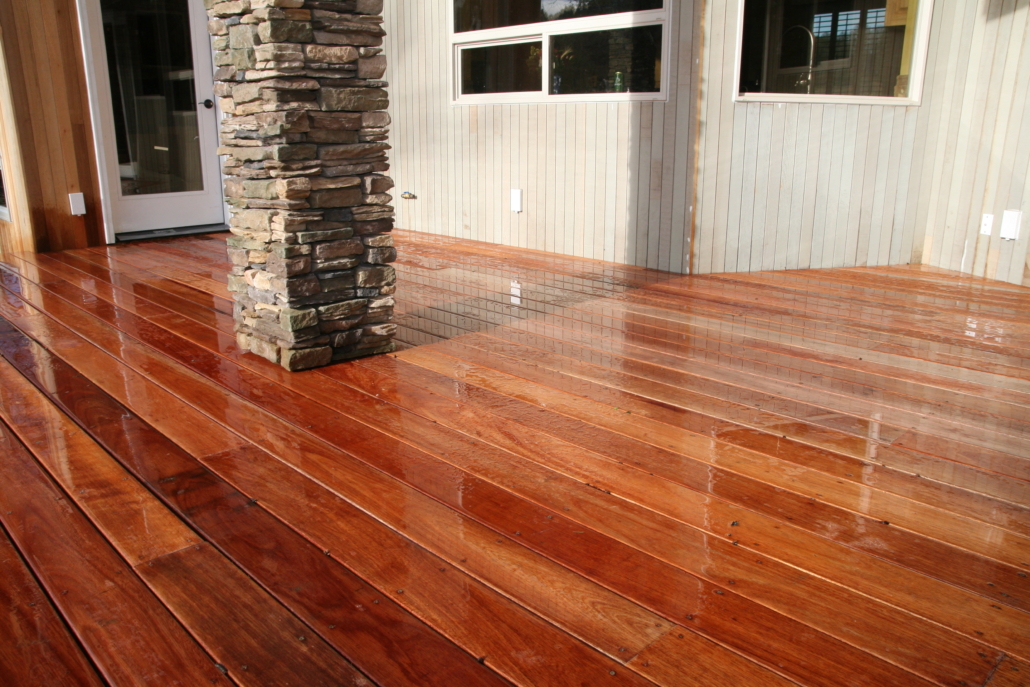
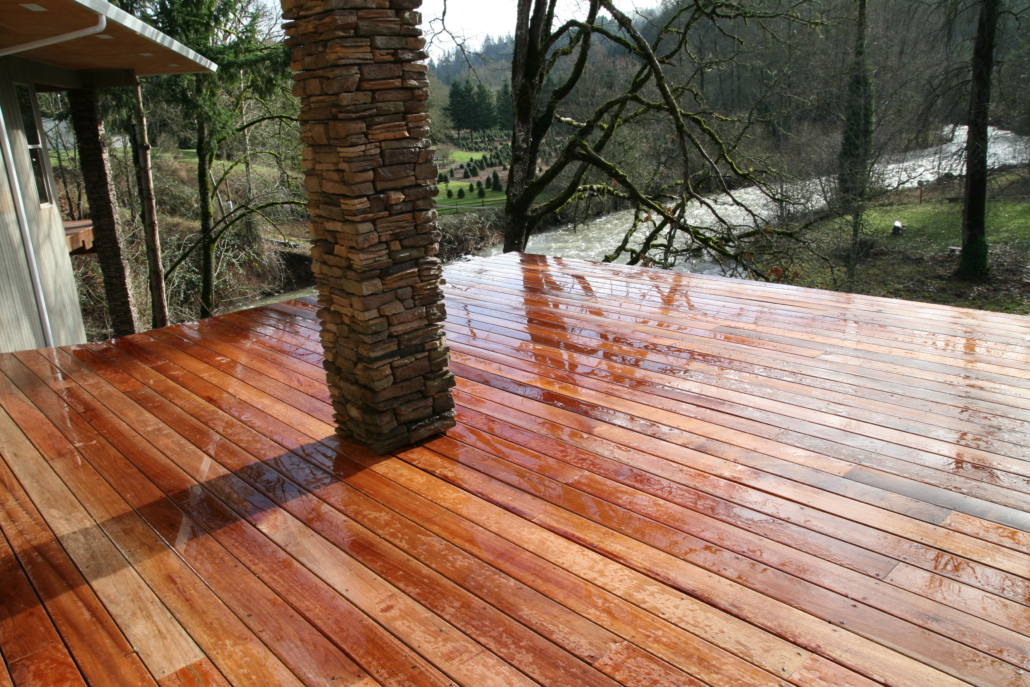
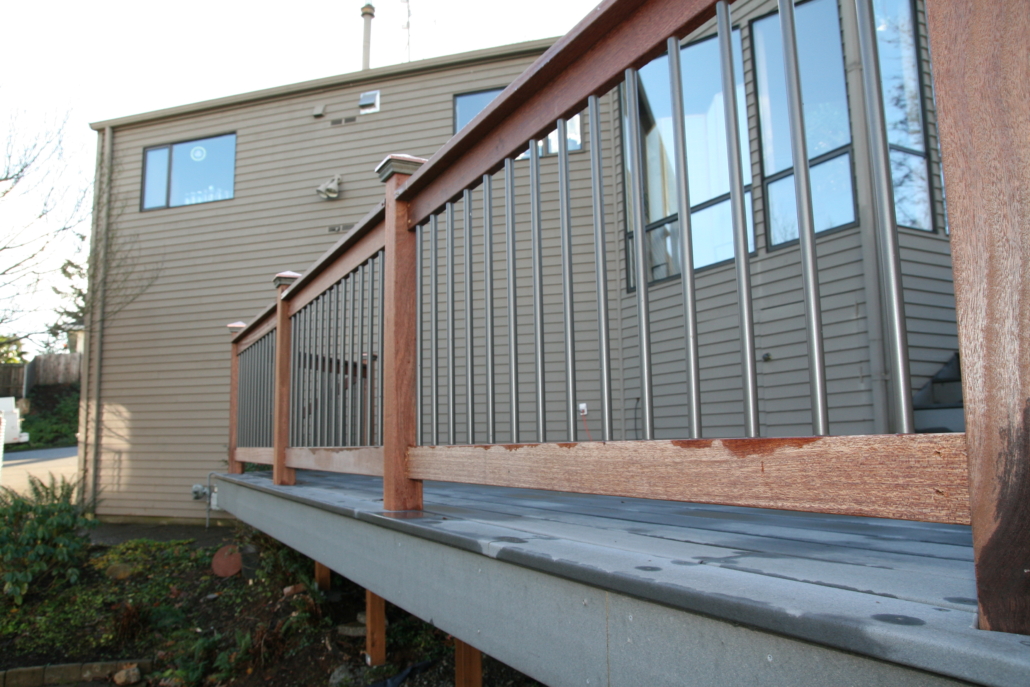
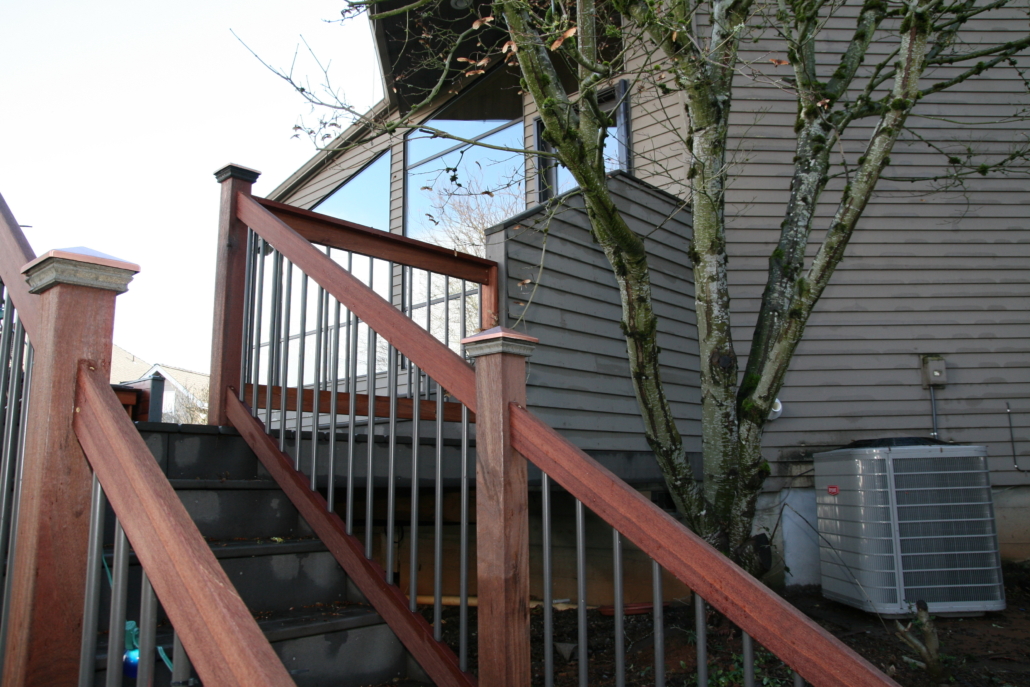
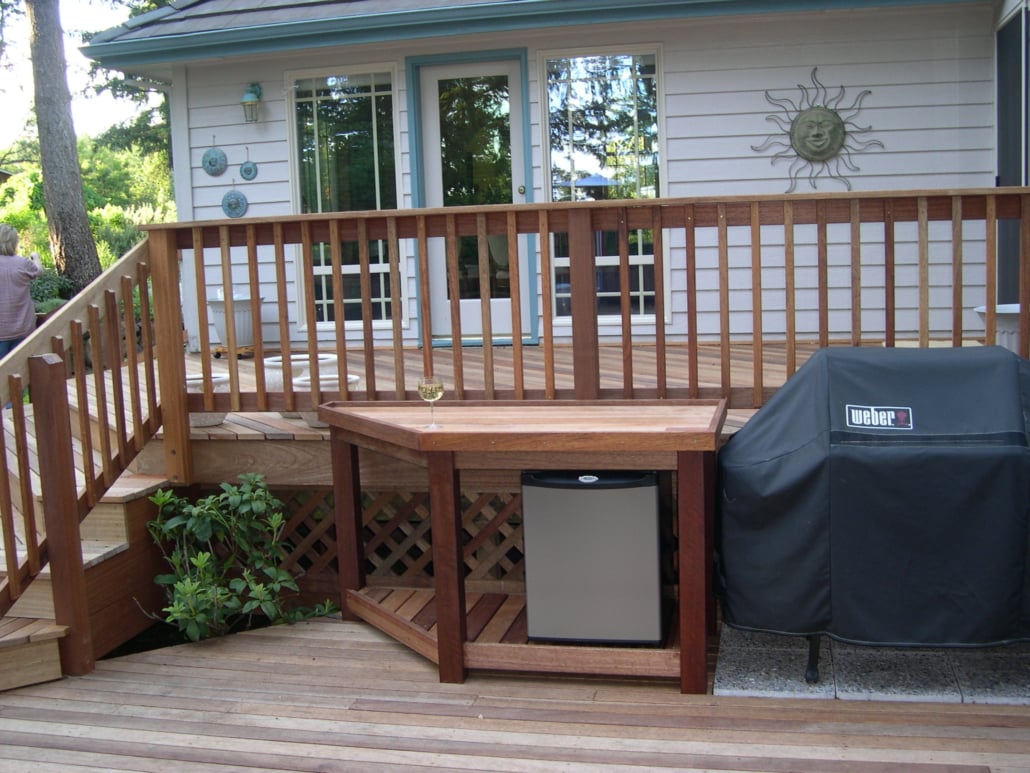
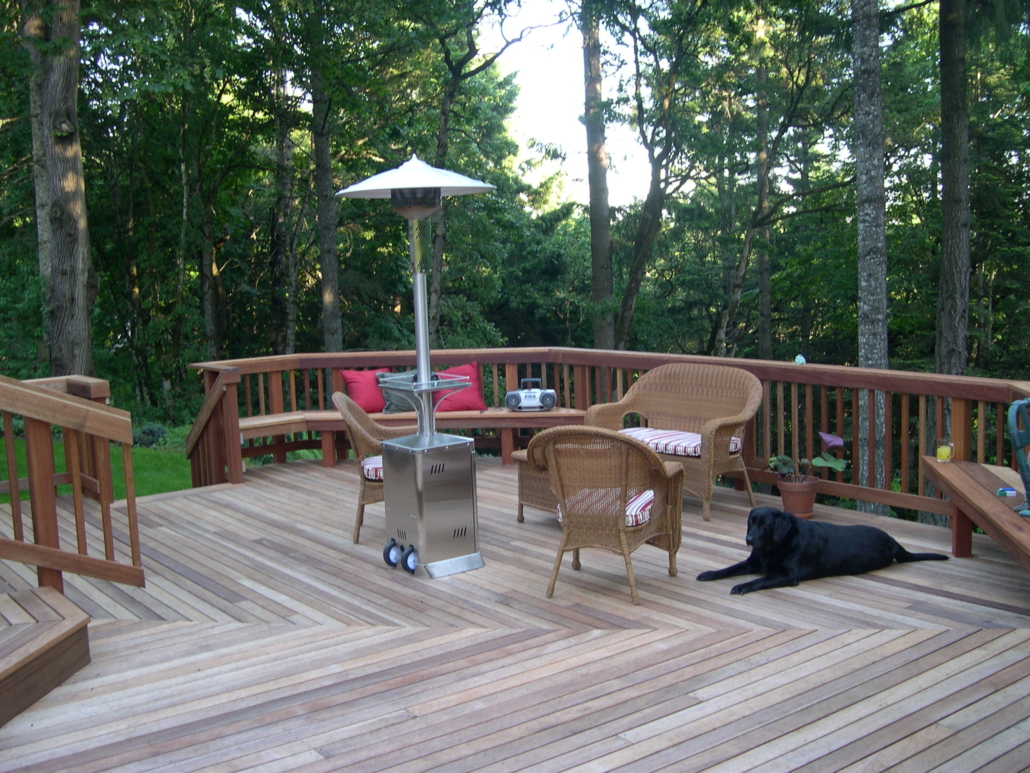
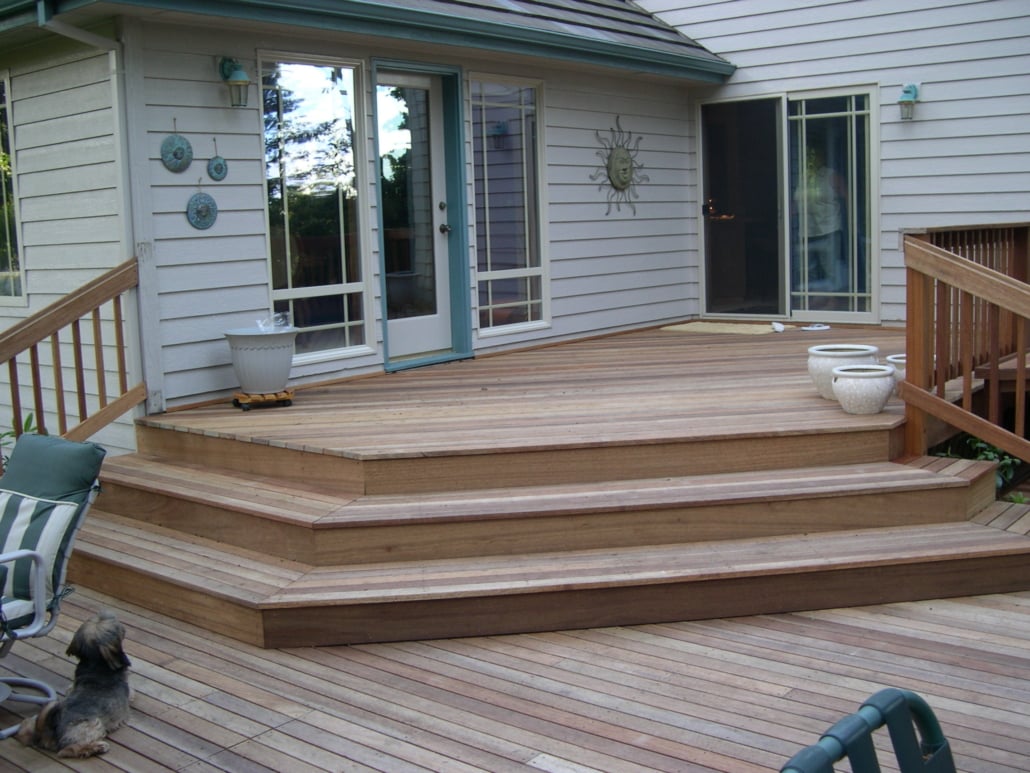
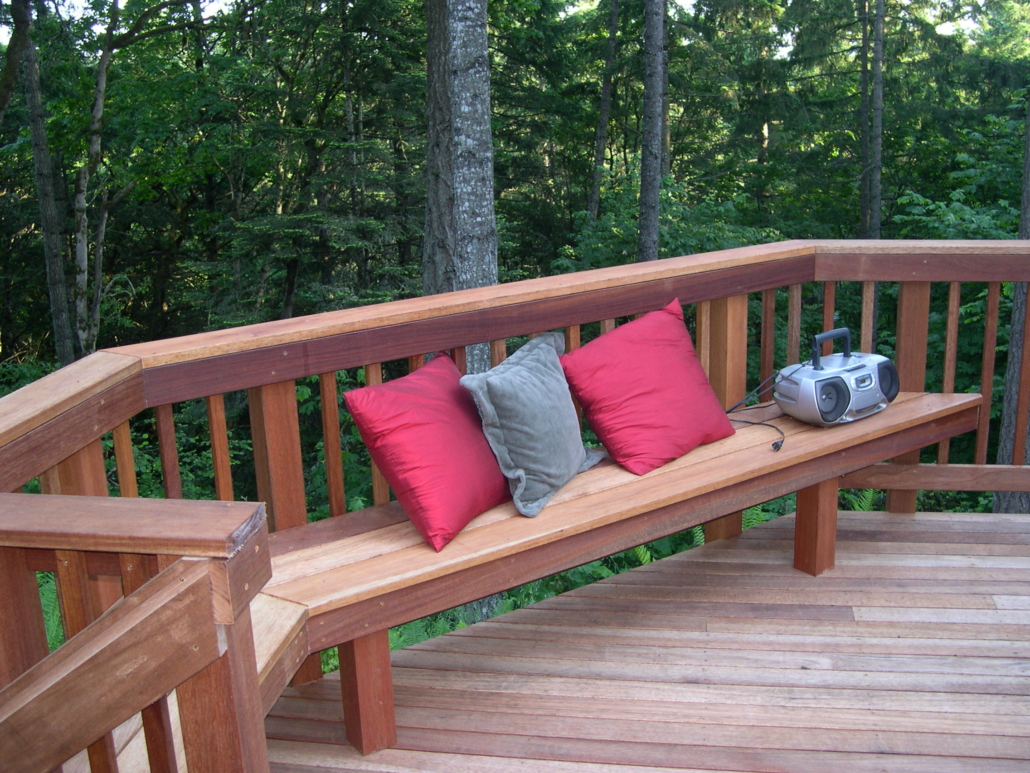
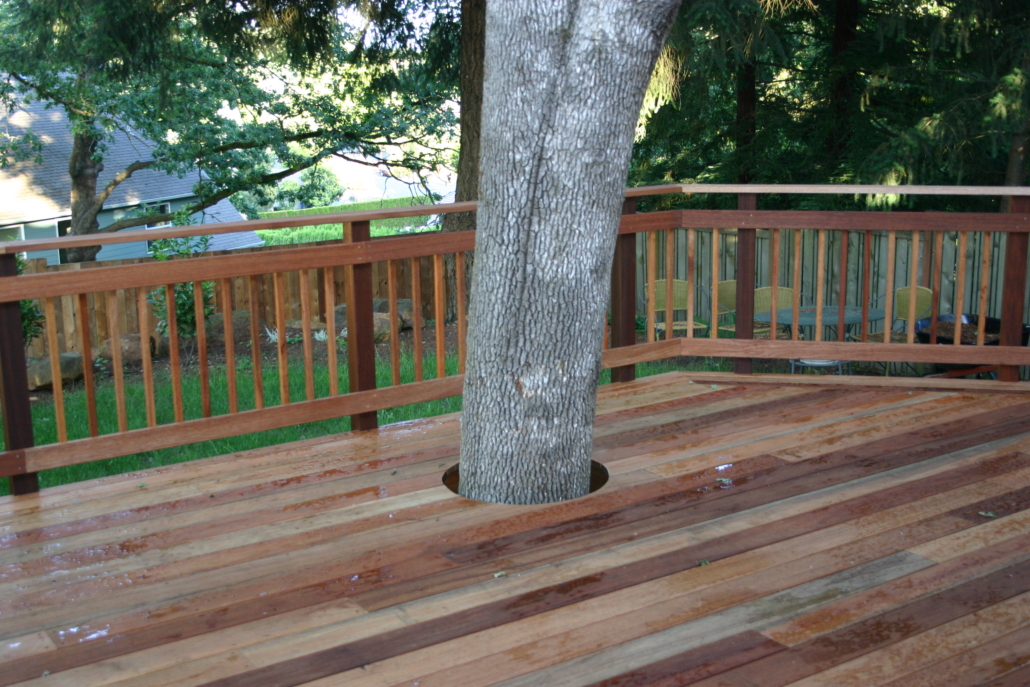
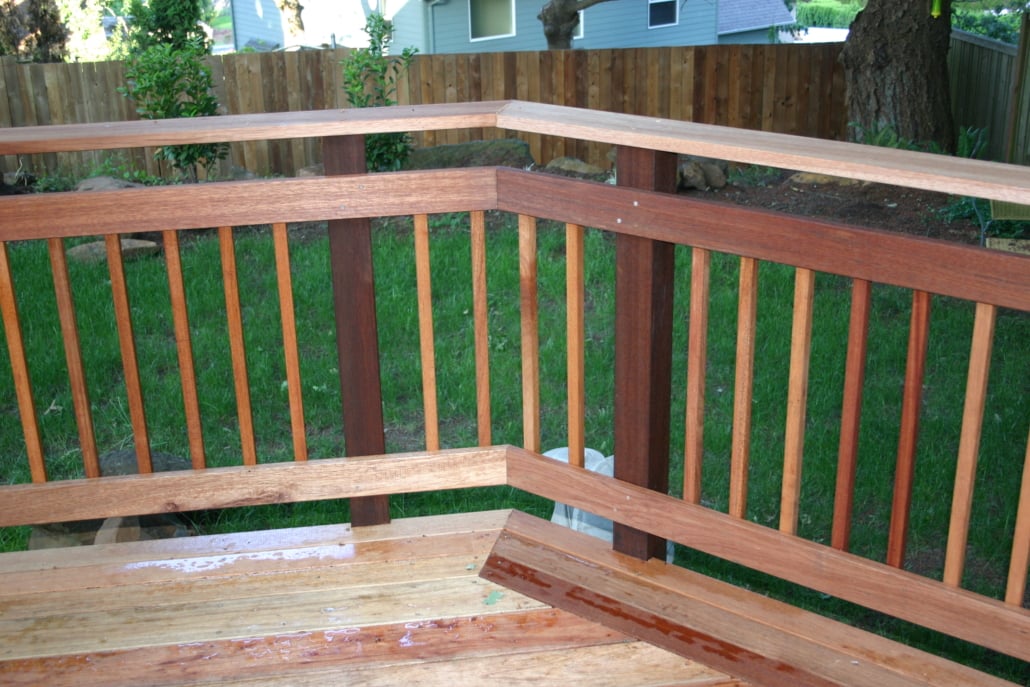
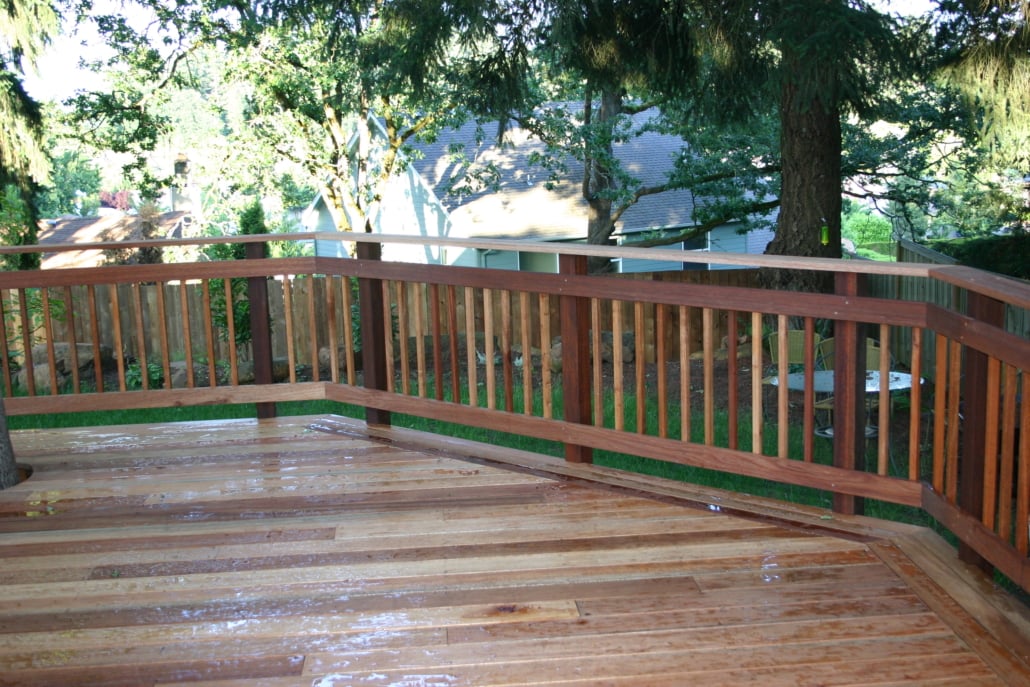
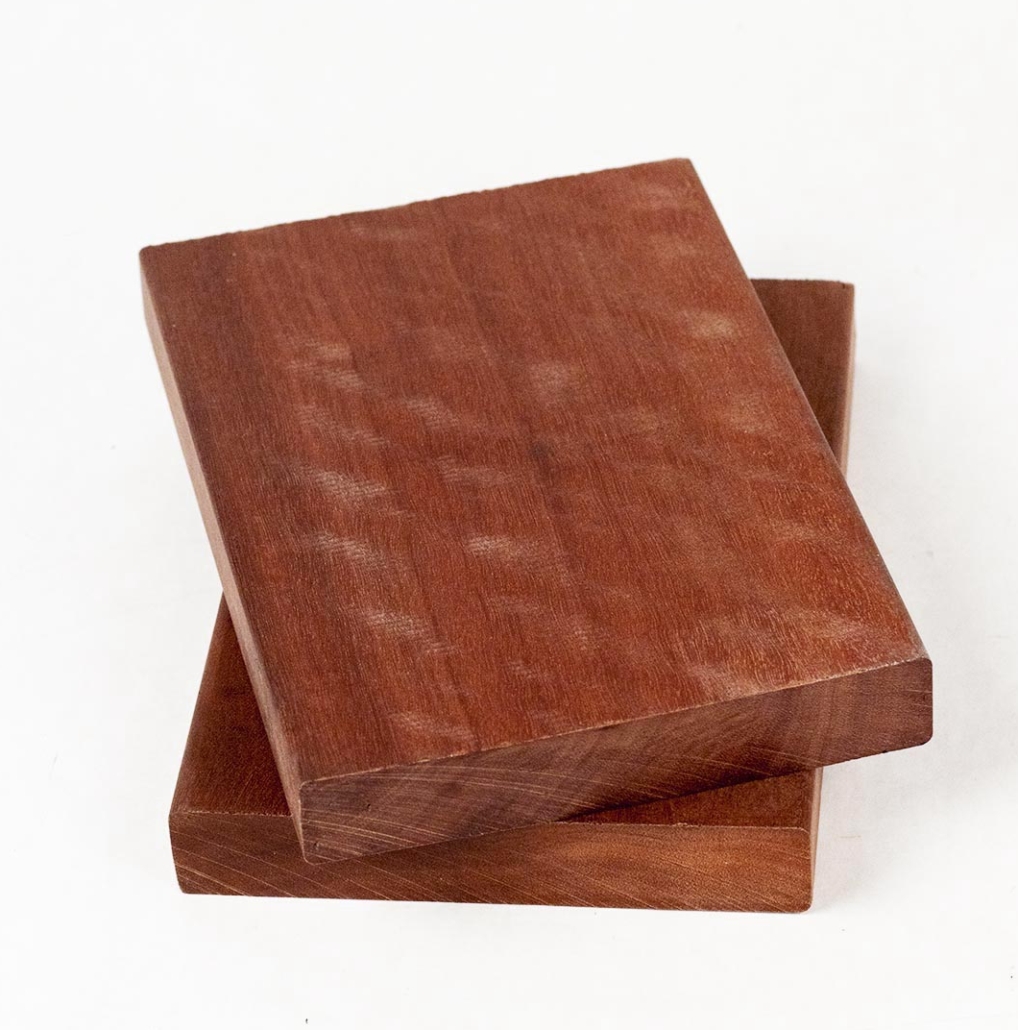
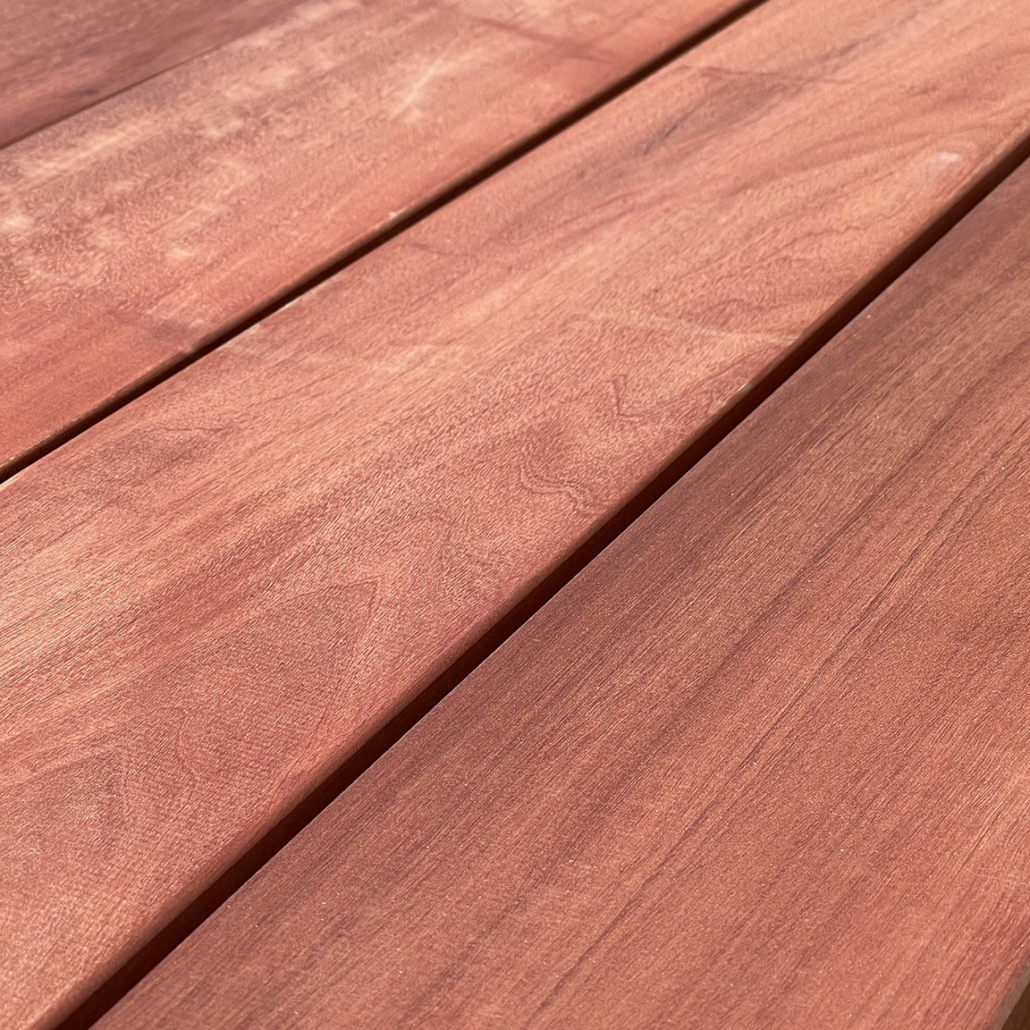
Despite coming from two continents, on opposite sides of the world, Torem and Massaranduba are often regarded as the same lumber. Incredibly hard, even more so than ipe, but not as stable, these species make excellent decking. Deep red in tone and an almost imperceptible grain, it is quite beautiful. Because of its hardness and density, it is best to stick with using it as dimensioned lumber; it is not the most workable of lumber species.It is reported that Torem tends to be more stable than it’s South American cousin, Massaranduba.
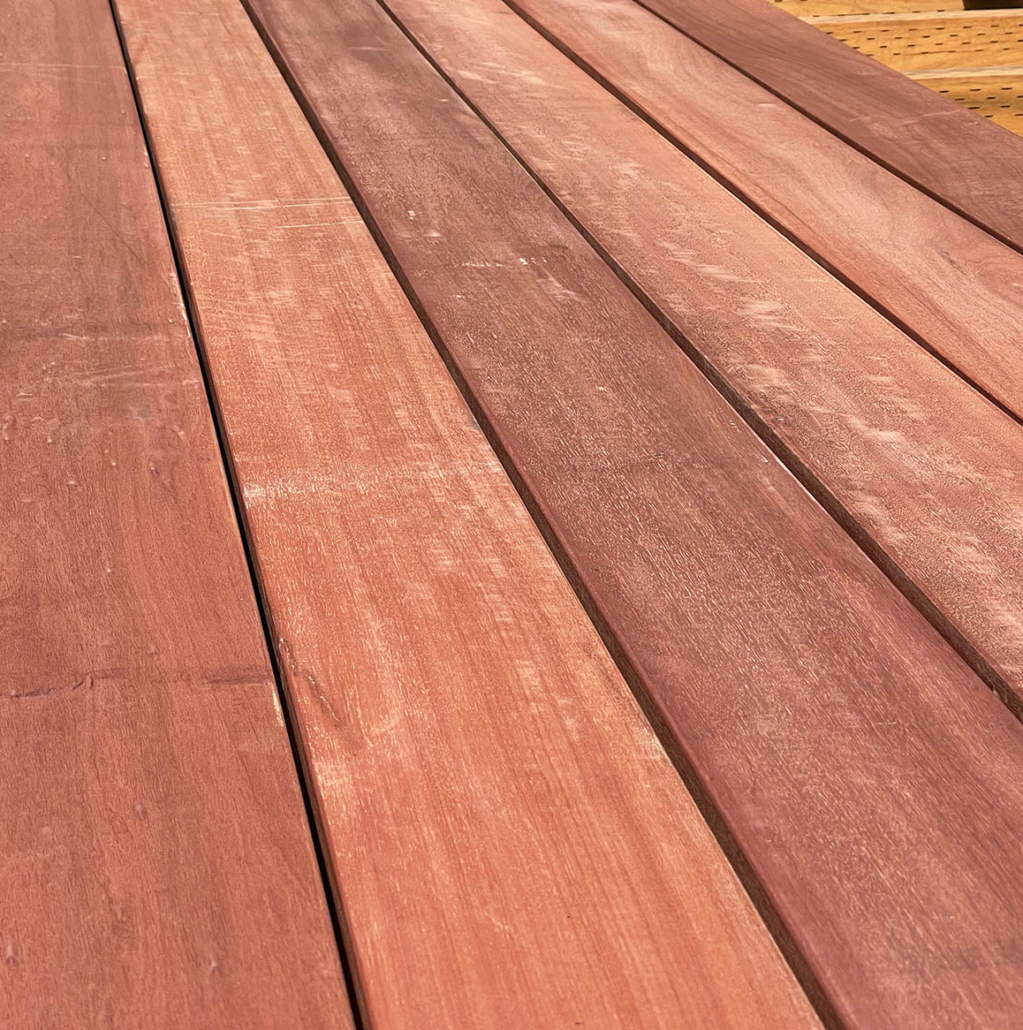
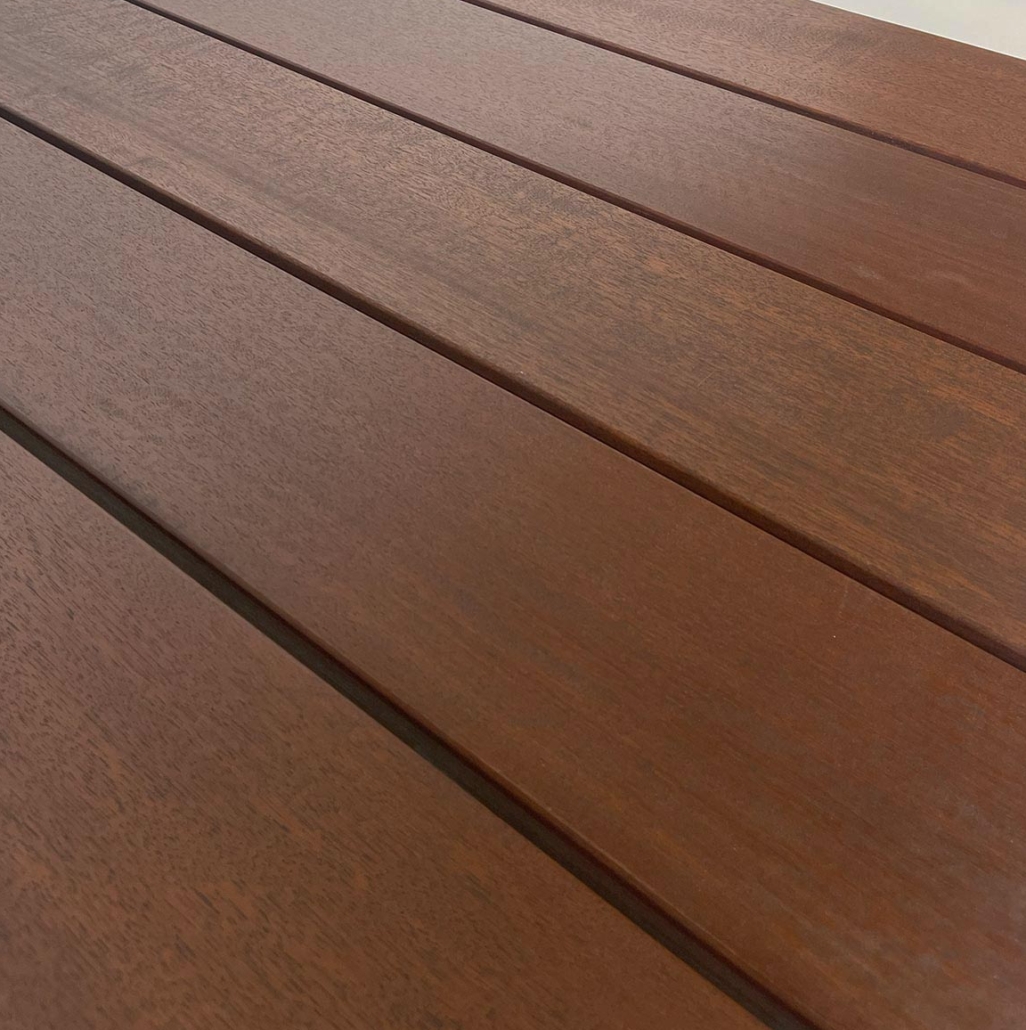
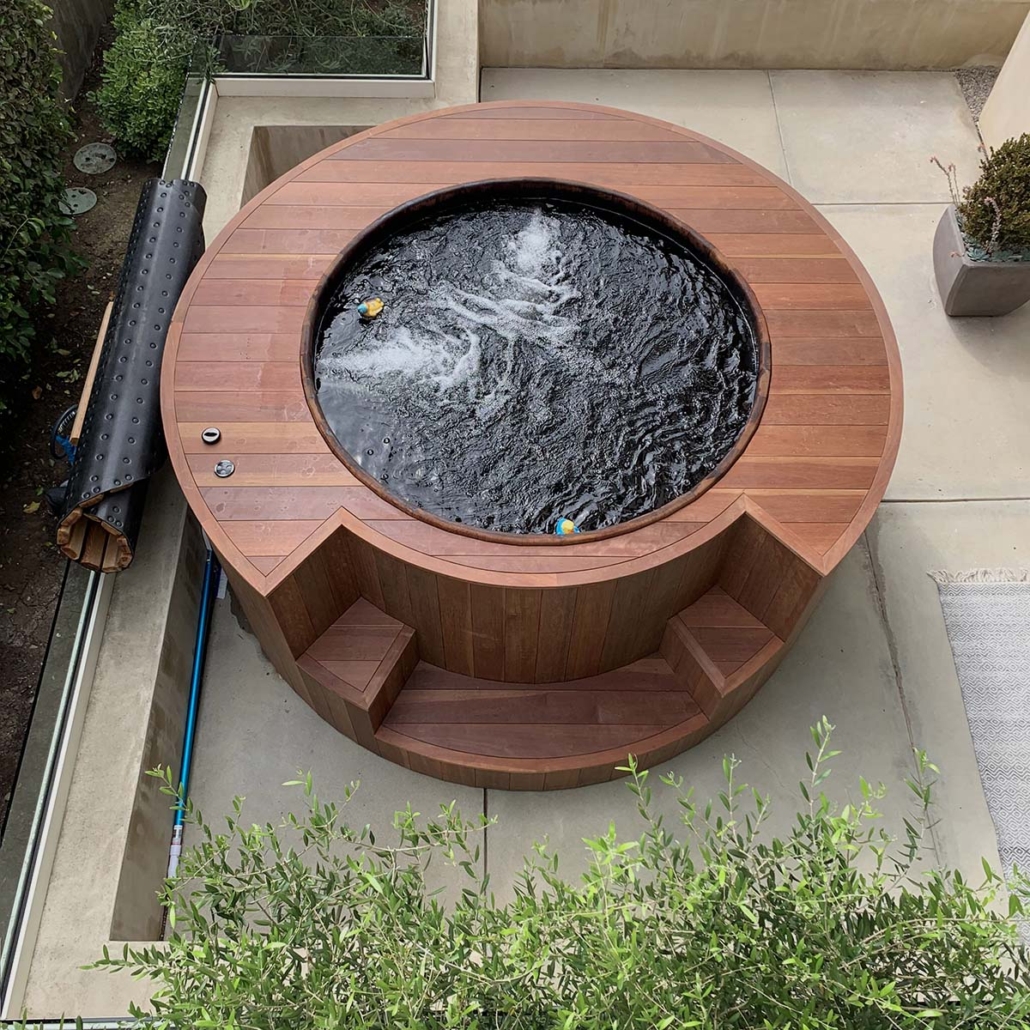
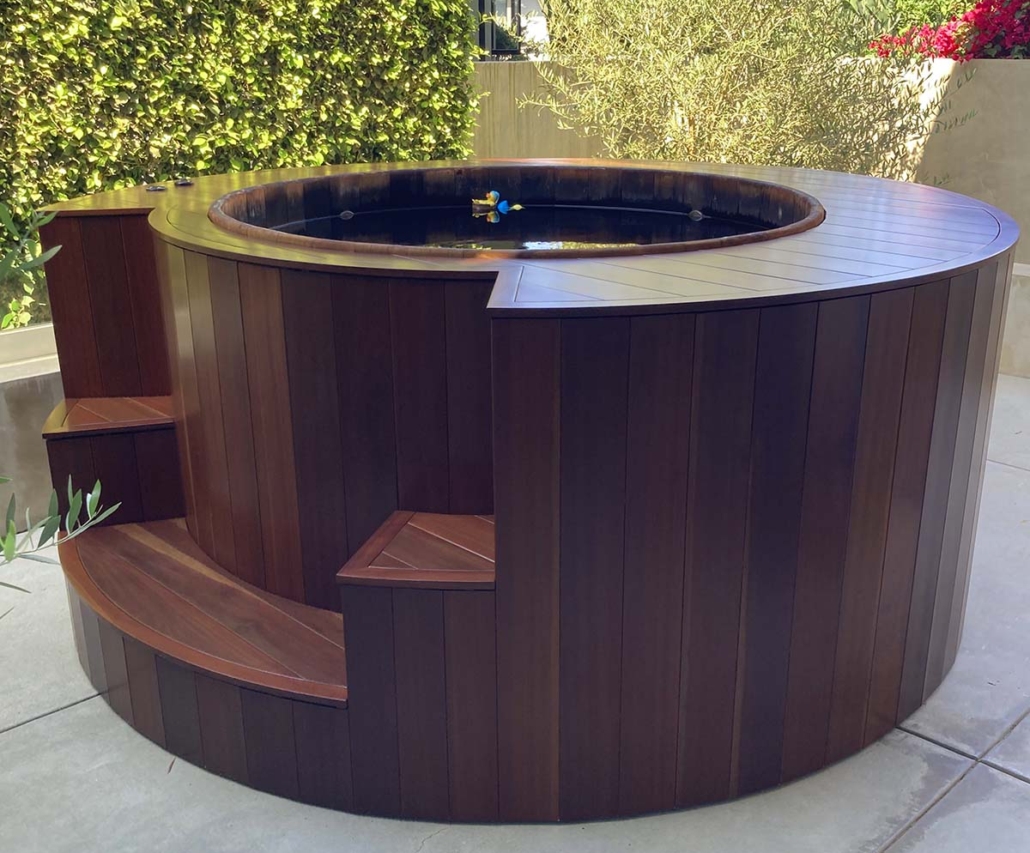
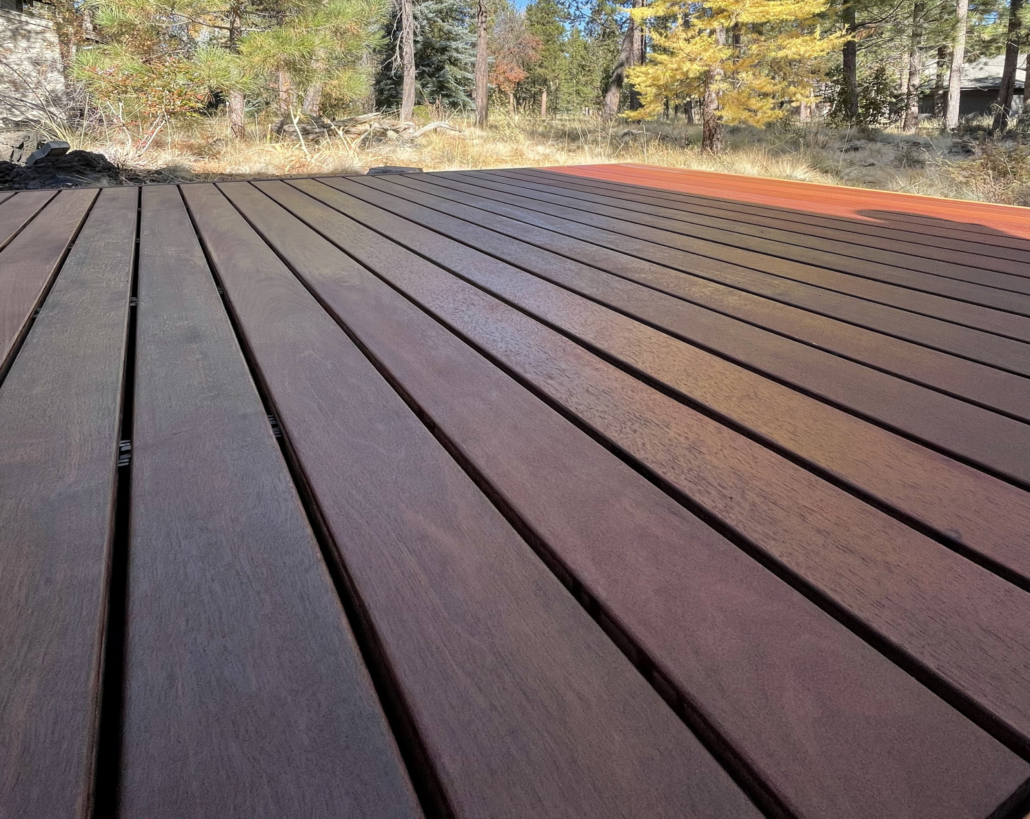
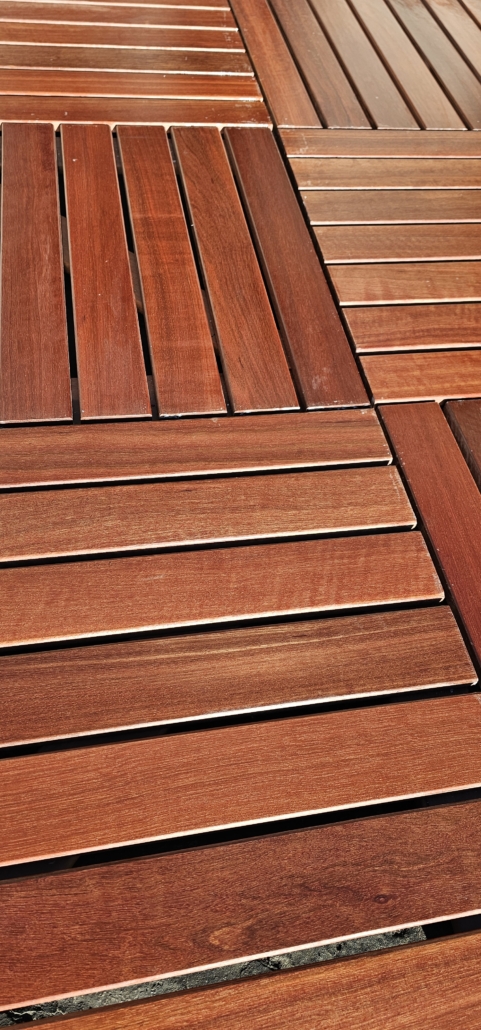
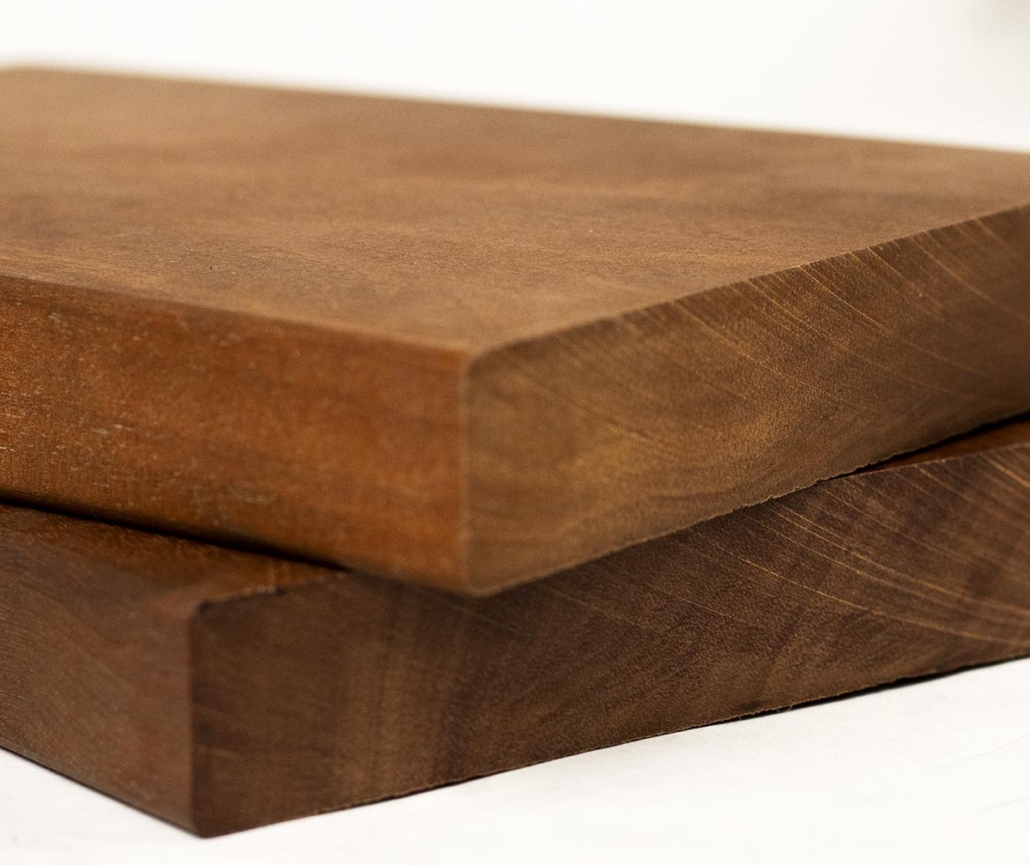
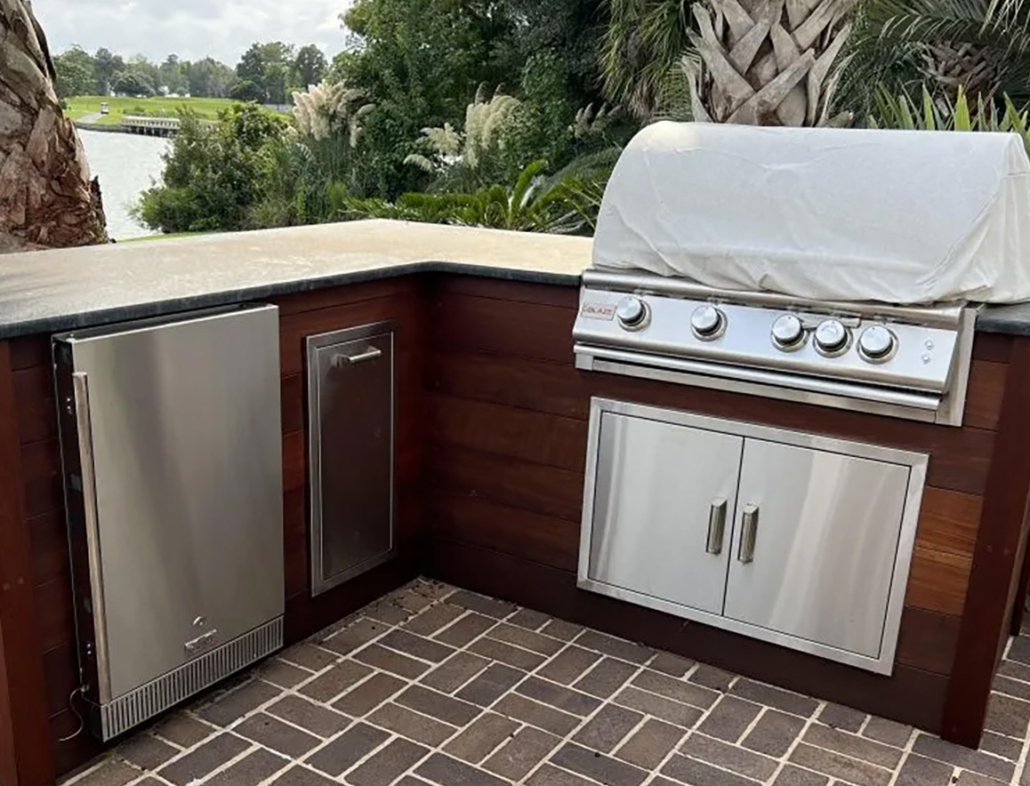
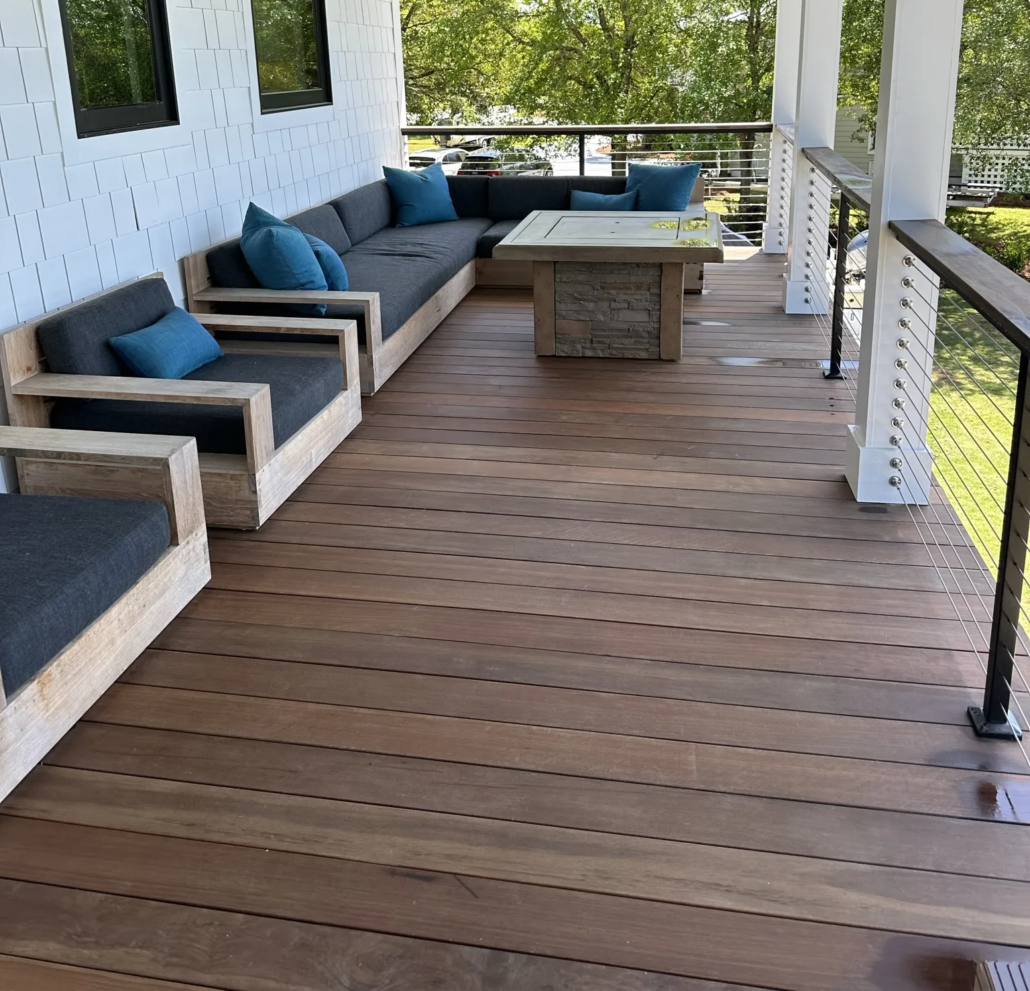
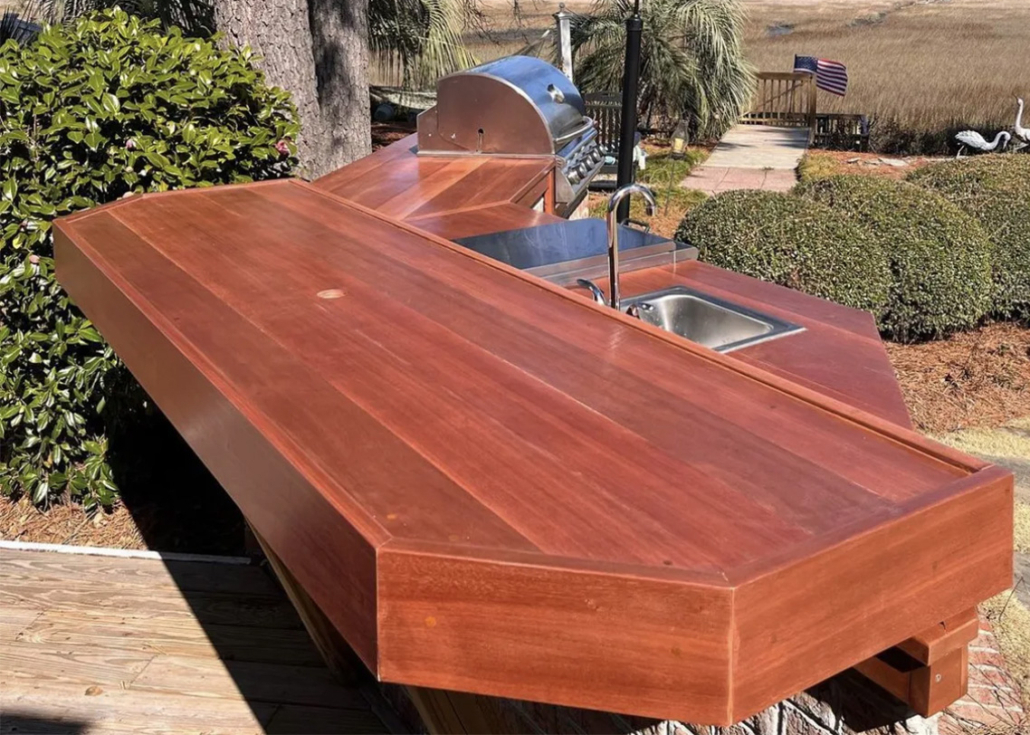
All hardwood deck species have what is called a free-air space requirement for assurance of a successful installation. What this means is that there must be air flow under the deck. The Achilles heel of hardwood species is moisture asymmetry between the top and bottom surfaces. An imbalance here can lead to cupping of the boards. The description varies by species and the distributor/importer. Typically, it is stated as “there must be “x” inches of space under the joists, open on three sides”. If you are unsure of your application, a consultation will provide clarity on the suitability of your choices and the risks associated with disregarding these guidelines. Typically, a distributor will not warranty non-conforming installations. A higher thickness-to-width ratio, such as 5/4 x 4, staining all sides of the boards prior to installation, and observing best practices for acclimatization of lumber can go a long way towards mitigating risks in non-conforming installations. Ultimately, the responsibility lies with the consumer for these choices. Deck tiles are designed specifically for low and no-free-air applications. 24″ x 48″ and 24″ x 72″ tiles are great for obtaining a “deck-like” appearance within the deck tile paradigm. You can learn more about deck tiles by clicking this link: All about deck tiles